Comfort Starts With the Things You Use Every Day
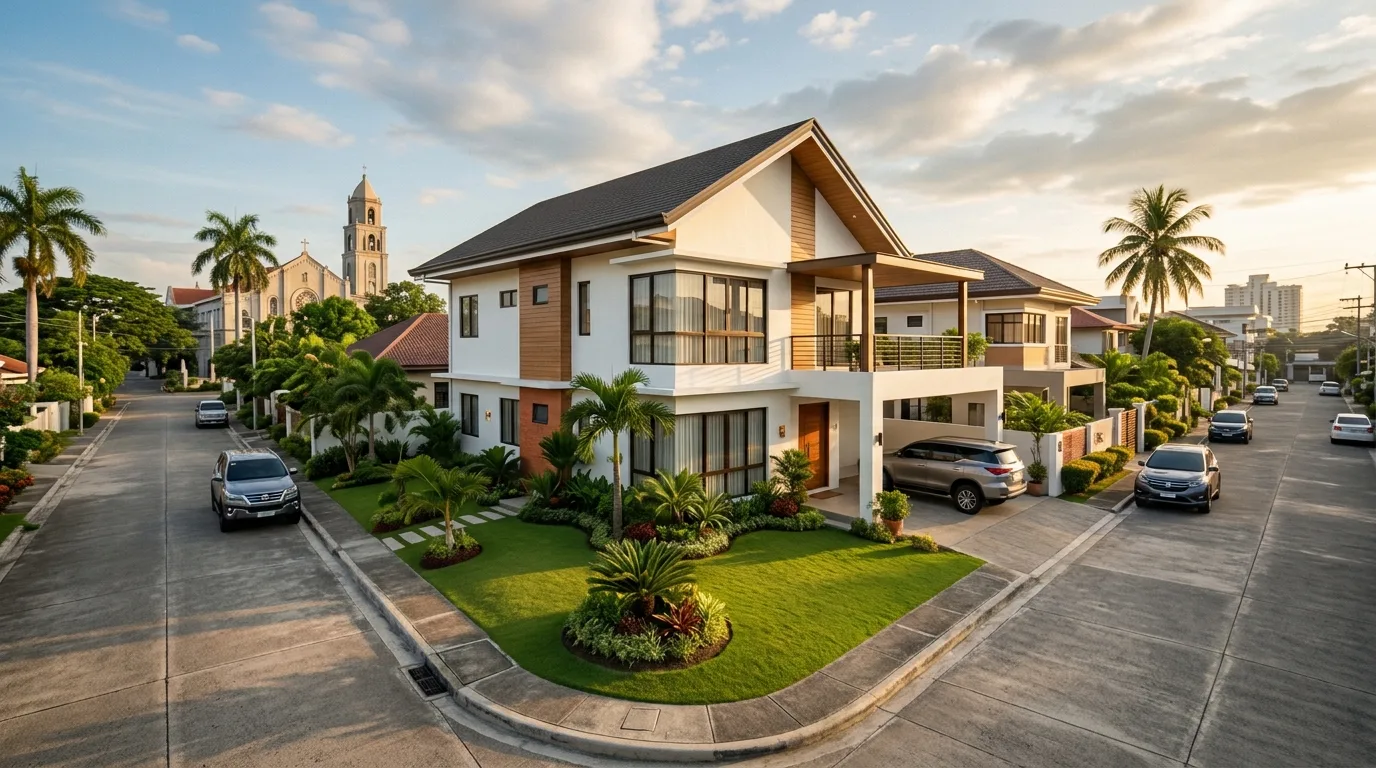
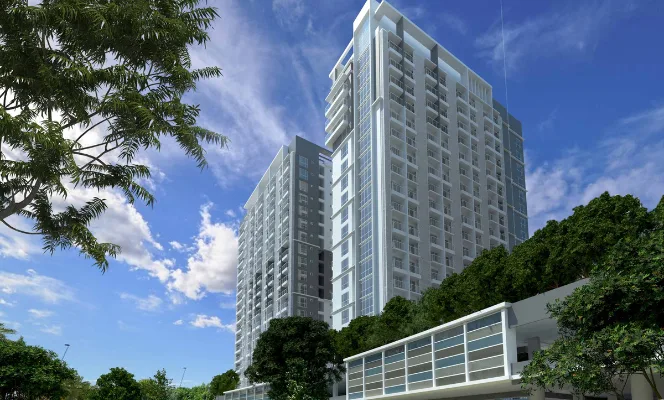
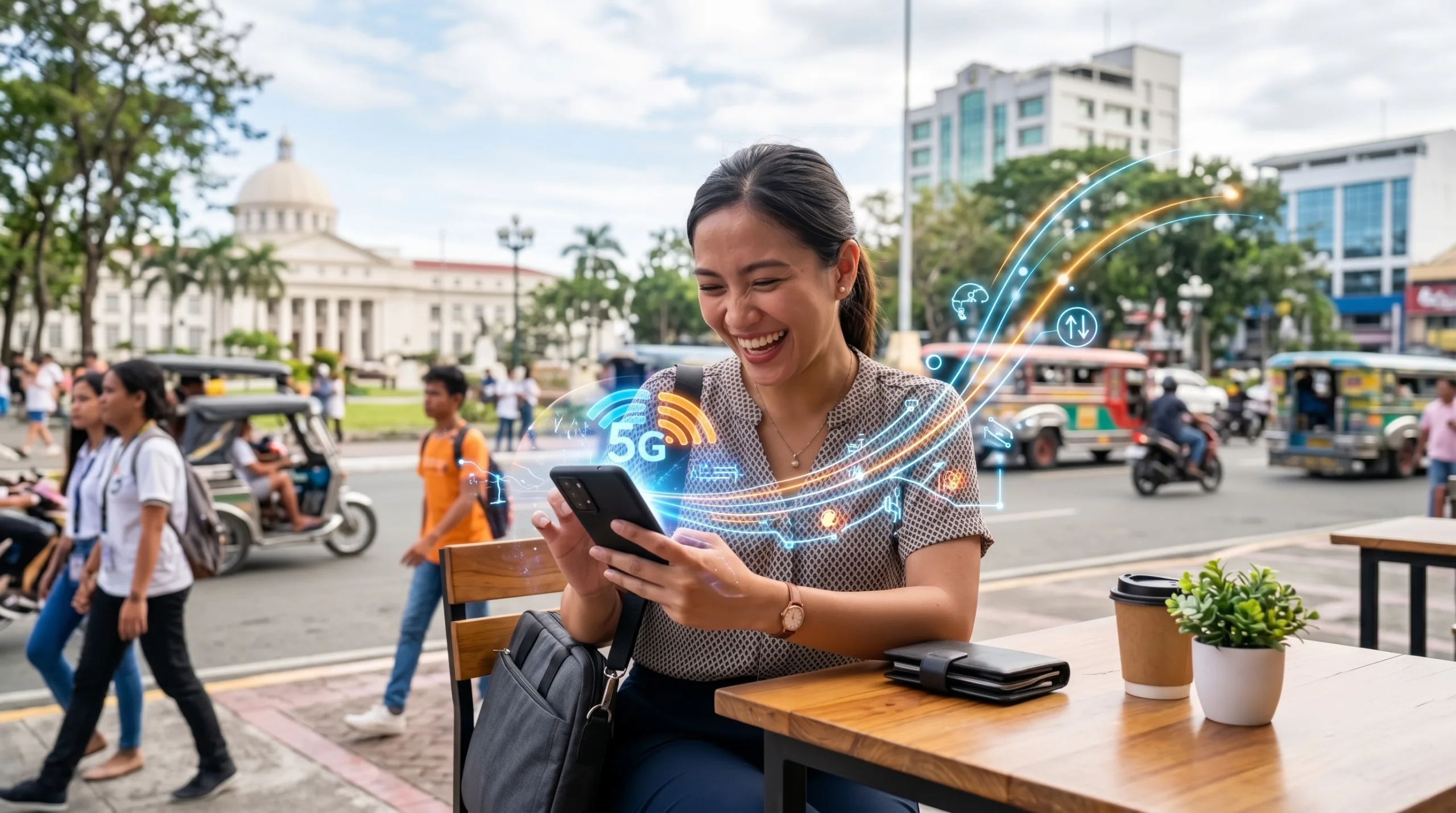
BACOLOD - One of the simplest ways to understand whether a city feels comfortable is to look at ordinary routines. Grocery shopping, commuting, visiting a pharmacy, finding a place to eat, going to school or work, and accessing government or healthcare services are all part of daily life. Bacolod has a mix of established commercial districts and residential communities where these activities can take place within the wider urban area. Areas around Lacson Street, downtown Bacolod, the Bacolod City Government Center, and other established neighborhoods demonstrate how different parts of the city can serve different everyday needs.
Public Spaces Give People Room Beyond Their Responsibilities
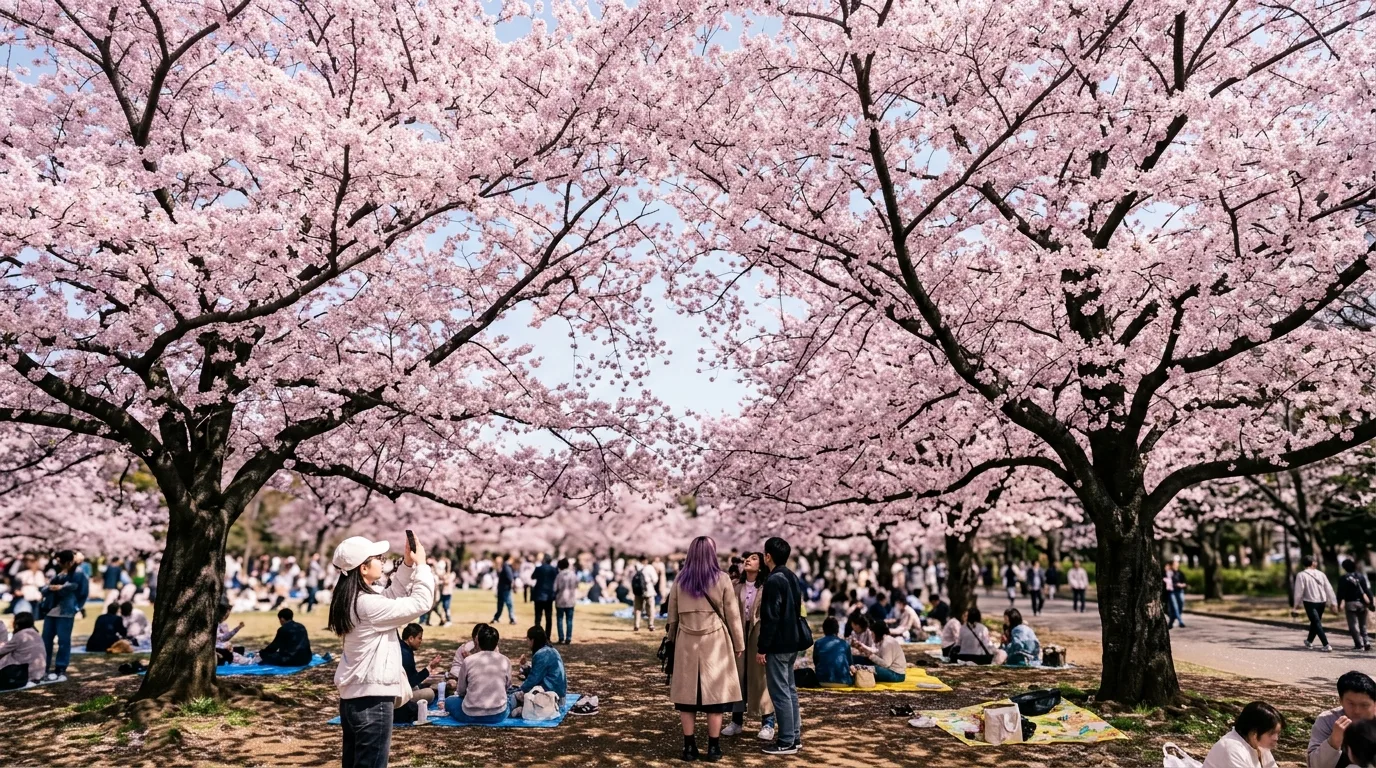
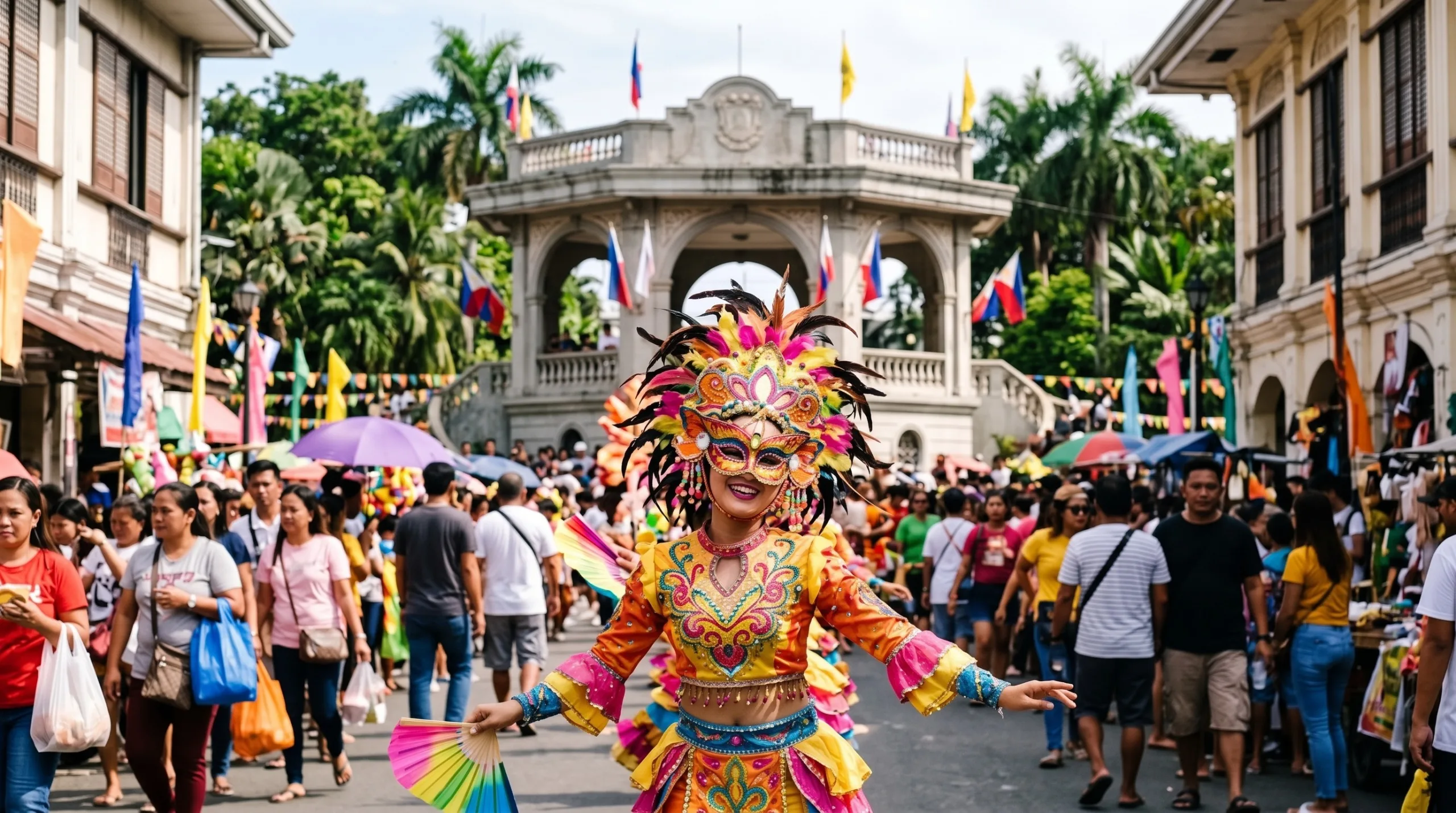
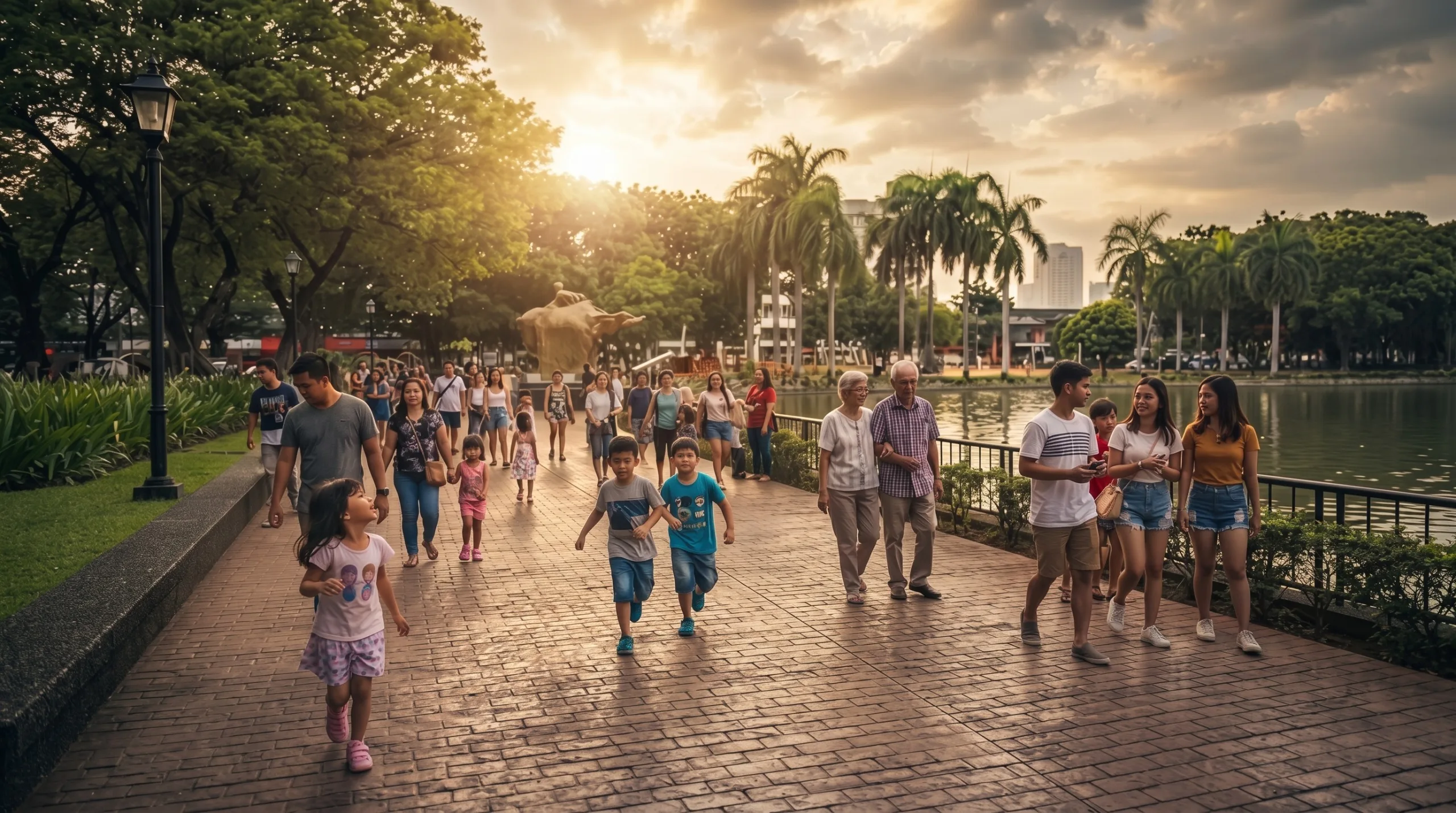
City life becomes more comfortable when residents have places to slow down after work or spend time with other people. Capitol Park and Lagoon, the Bacolod Public Plaza, and other public spaces provide settings for walking, sitting, community activities, and informal gatherings. Cultural destinations such as the Negros Museum also give residents opportunities to connect with local history without treating every leisure activity as a major trip. These spaces contribute another dimension to urban living because they give people places to enjoy the city outside their homes, workplaces, and commercial establishments.
Community Life Can Make a Familiar City Feel Like Home
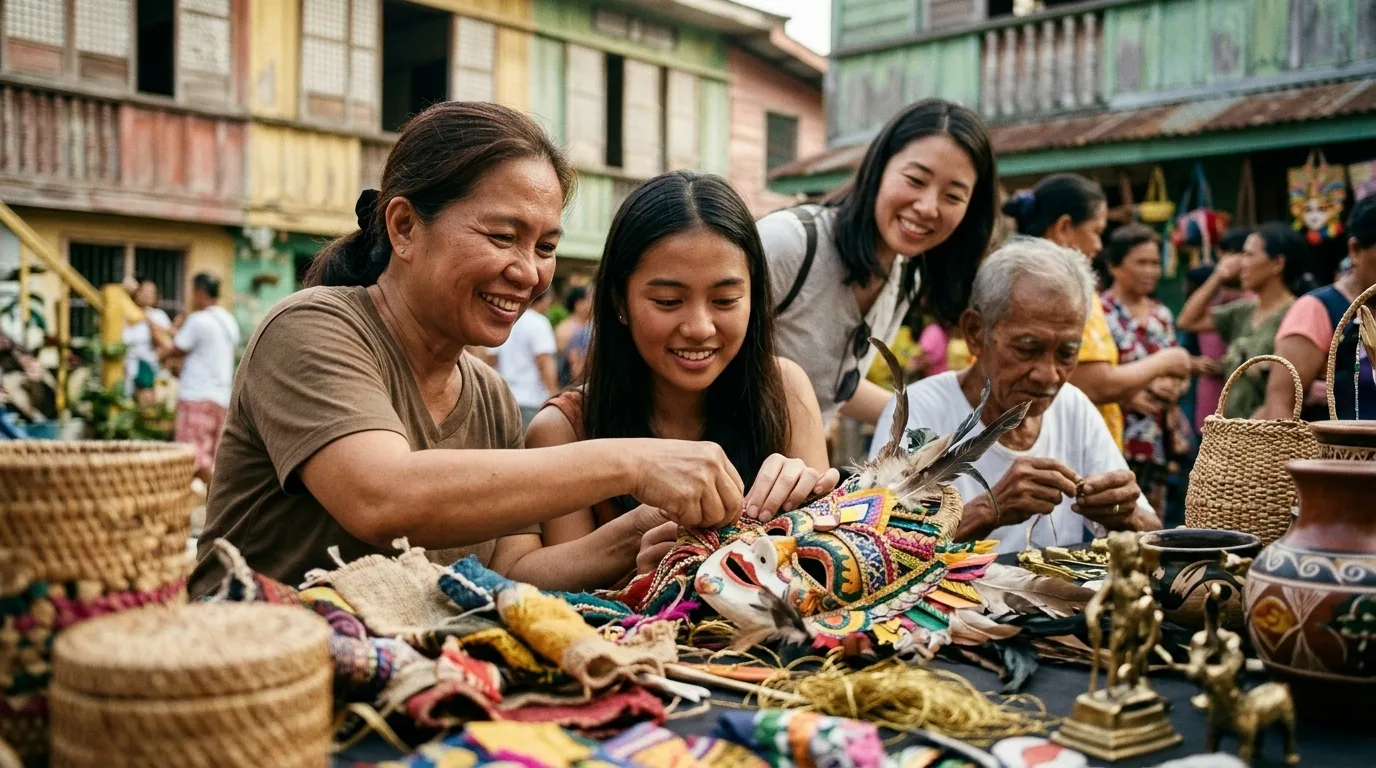
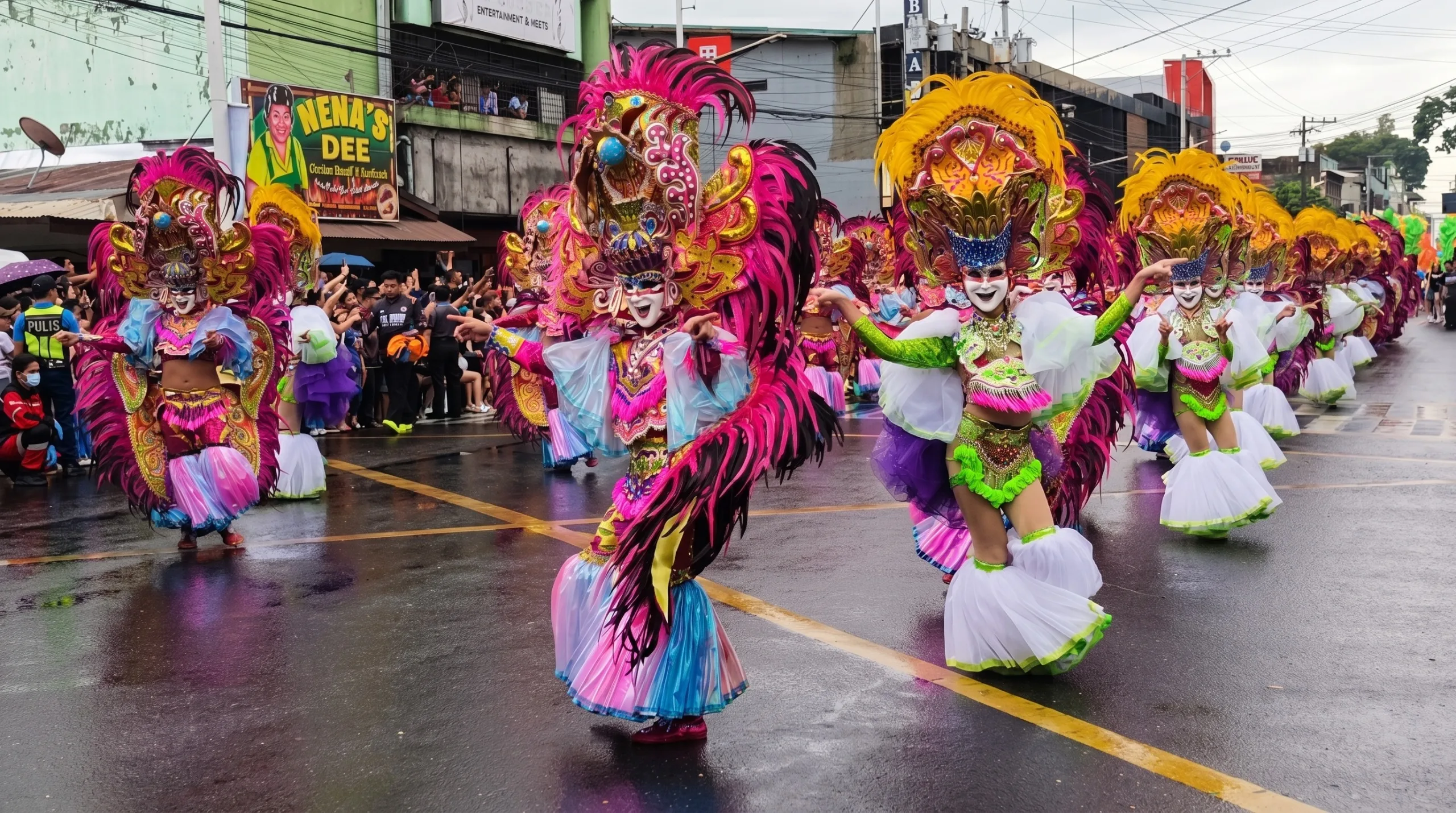
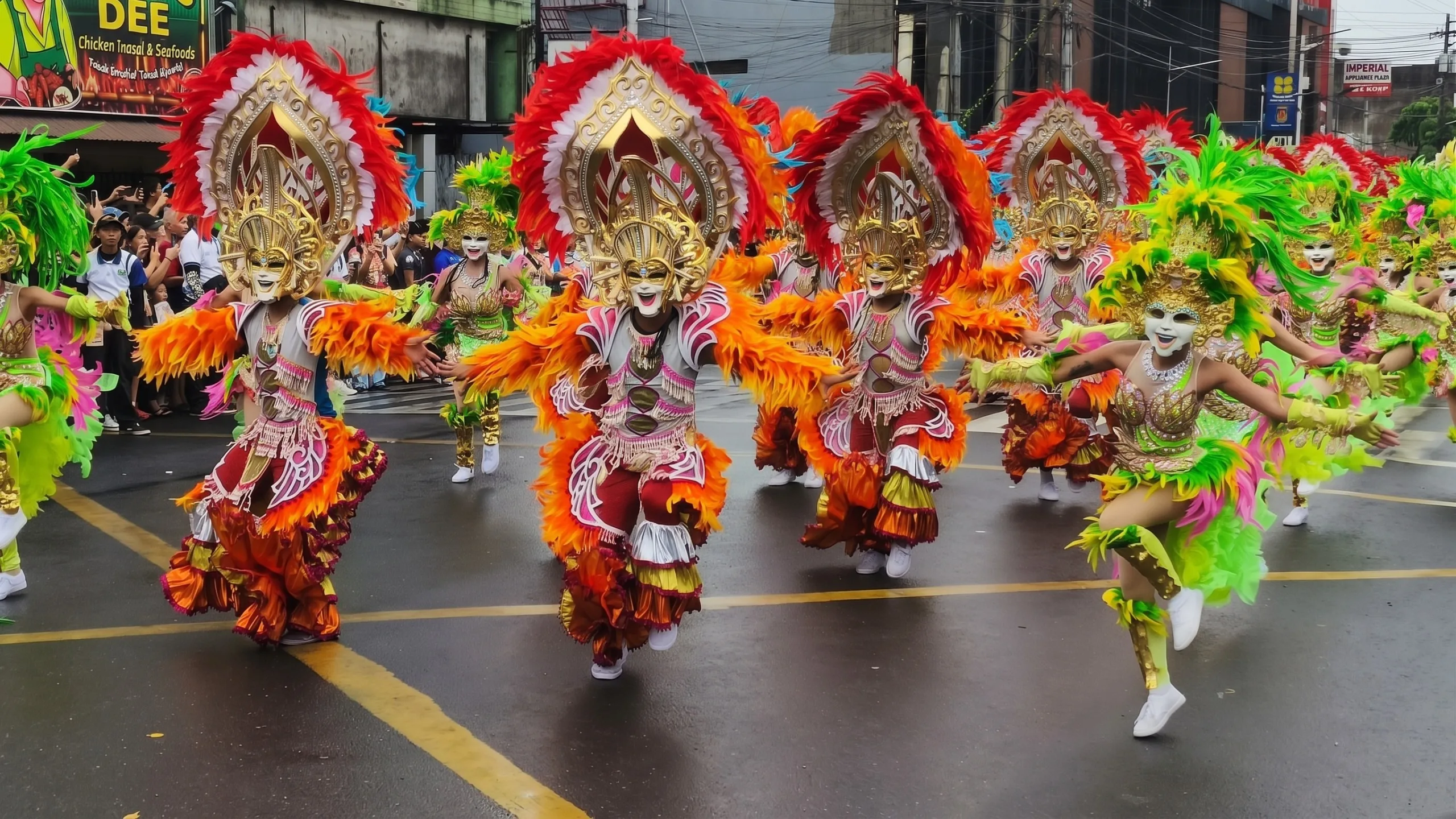
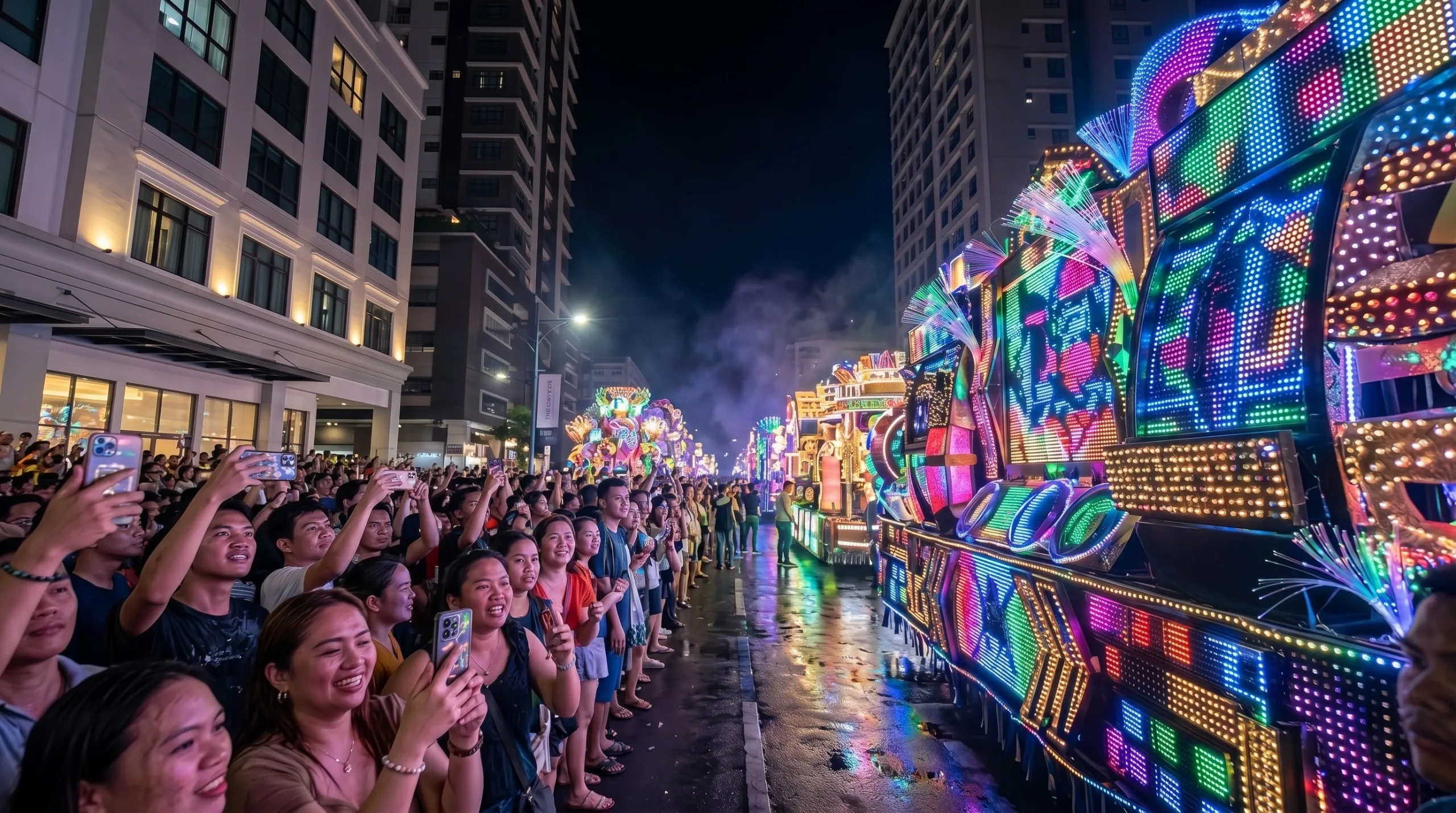
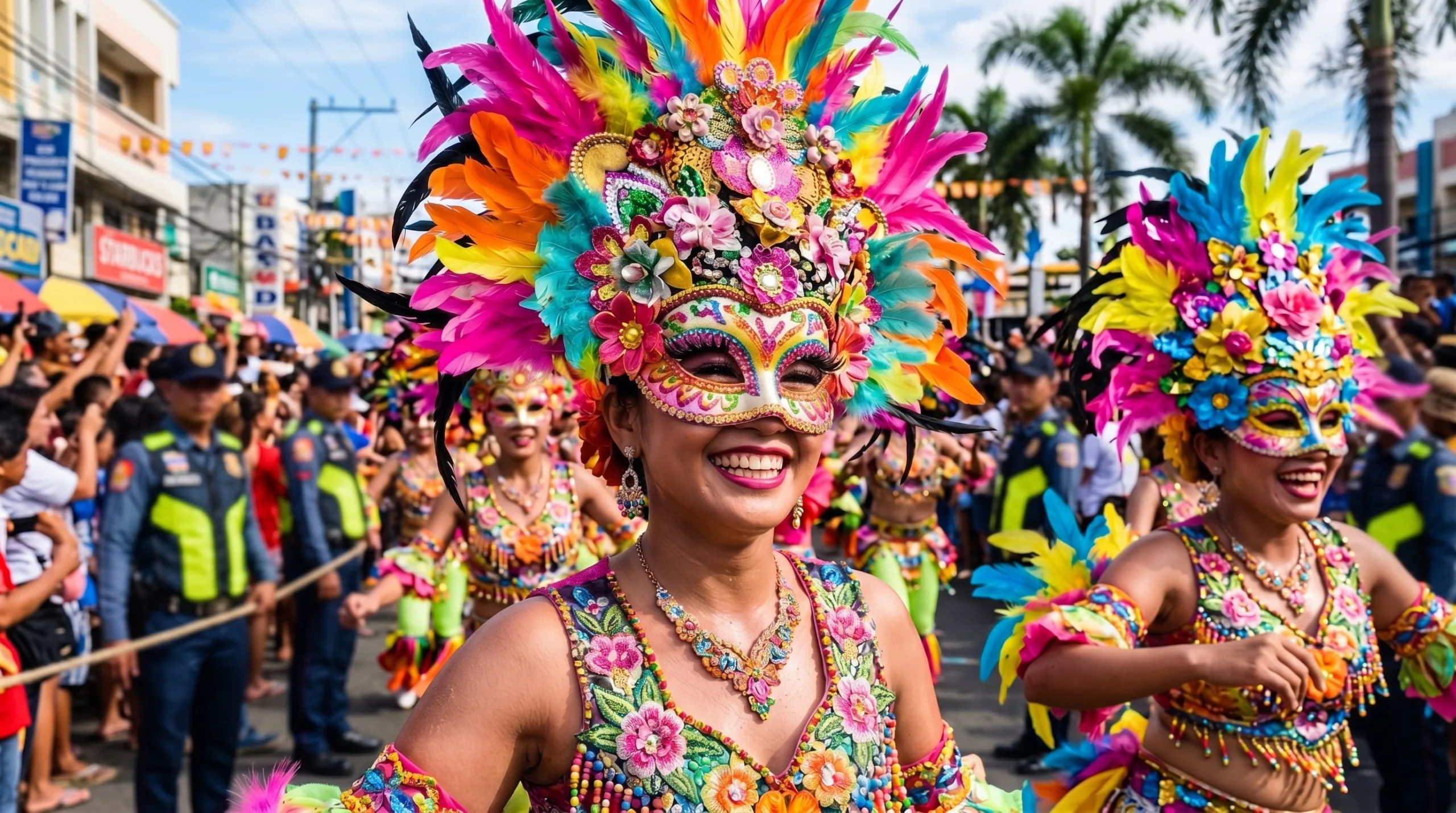
Comfort also comes from the relationships and routines people develop around their neighborhoods. Local markets, small businesses, food establishments, schools, community activities, and barangay spaces can create familiar points of connection as residents spend more time in the city. Bacolod’s food culture and reputation for hospitality are also reflected in everyday interactions, from neighborhood businesses to local dining destinations. Over time, these ordinary experiences can become an important part of why residents feel connected to the place they live. A comfortable city, after all, is not defined only by infrastructure—it is also shaped by how easily people can participate in everyday community life.