A Planting Date Is Not Always Fixed
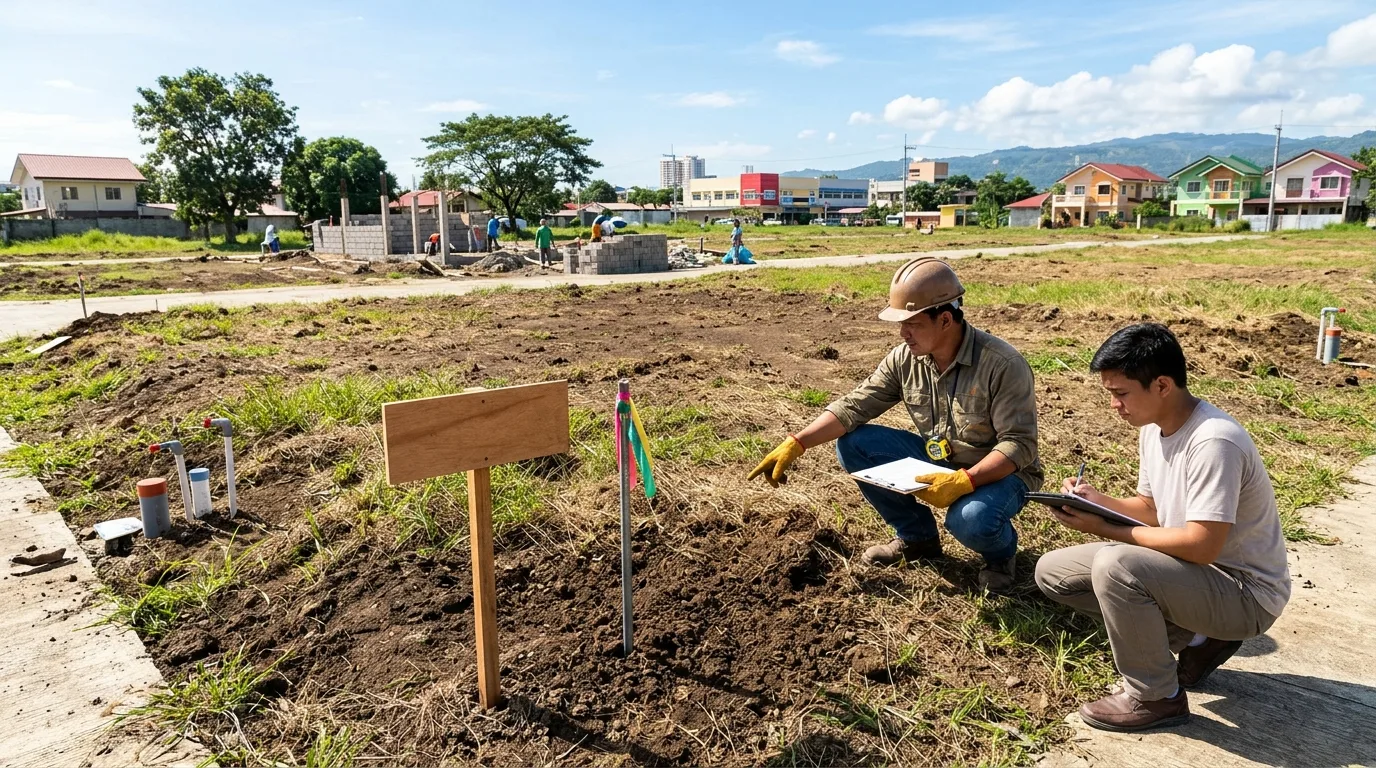
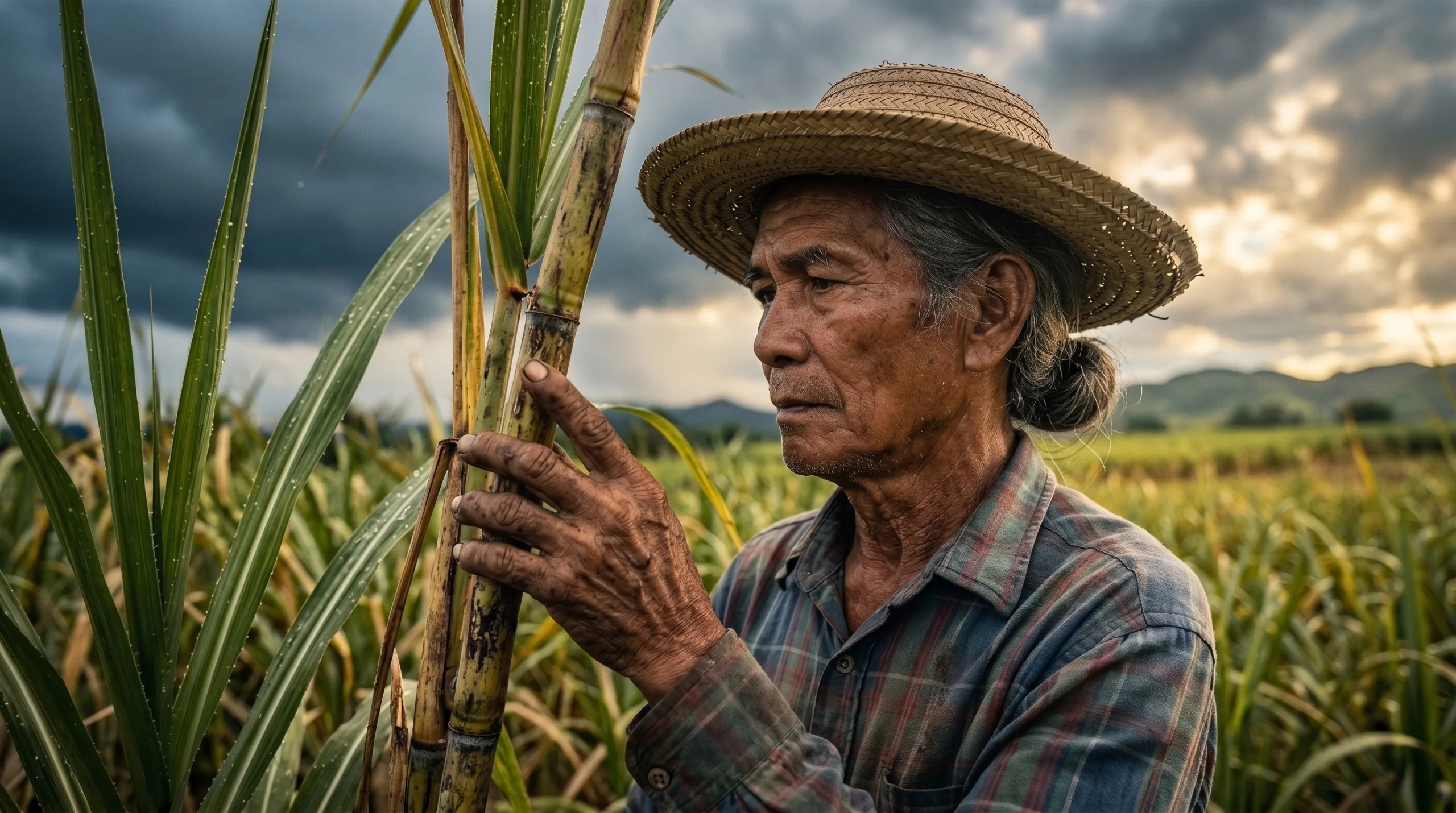
BACOLOD - Farmers often plan around expected weather conditions, but nature does not always follow a calendar. Too much rain can make fields difficult to work and may create problems with waterlogged soil, while insufficient rainfall can make establishing crops more challenging. Strong weather events can also damage recently planted fields. When conditions become unfavorable, farmers may delay planting or adjust their schedules rather than risk losing seeds, labor, and other resources. A few days can sometimes make a meaningful difference when timing is important to a crop's growth.
Choosing What to Plant Can Also Change
Weather can influence more than when farmers plant—it can affect what they plant. Farmers may consider crop varieties that are better suited to expected conditions, adjust the timing of different crops, or diversify what they grow to reduce dependence on a single harvest. Water availability can also influence decisions, particularly during periods of prolonged dry weather. These choices require farmers to balance agricultural knowledge with information about markets, soil conditions, available resources, and the weather outlook.
Adaptation Keeps the Farm Moving
Changing a planting plan does not necessarily mean giving up on a season. It can be a practical response to conditions that farmers cannot control. Access to reliable weather information, agricultural advice, irrigation, appropriate seeds, and other resources can help farmers make better decisions when conditions change. For communities around Bacolod, supporting climate-smart and adaptable agriculture can also help protect the local food supply. Behind every planting season is a series of decisions—and sometimes the smartest decision a farmer can make is knowing when to change the plan.