


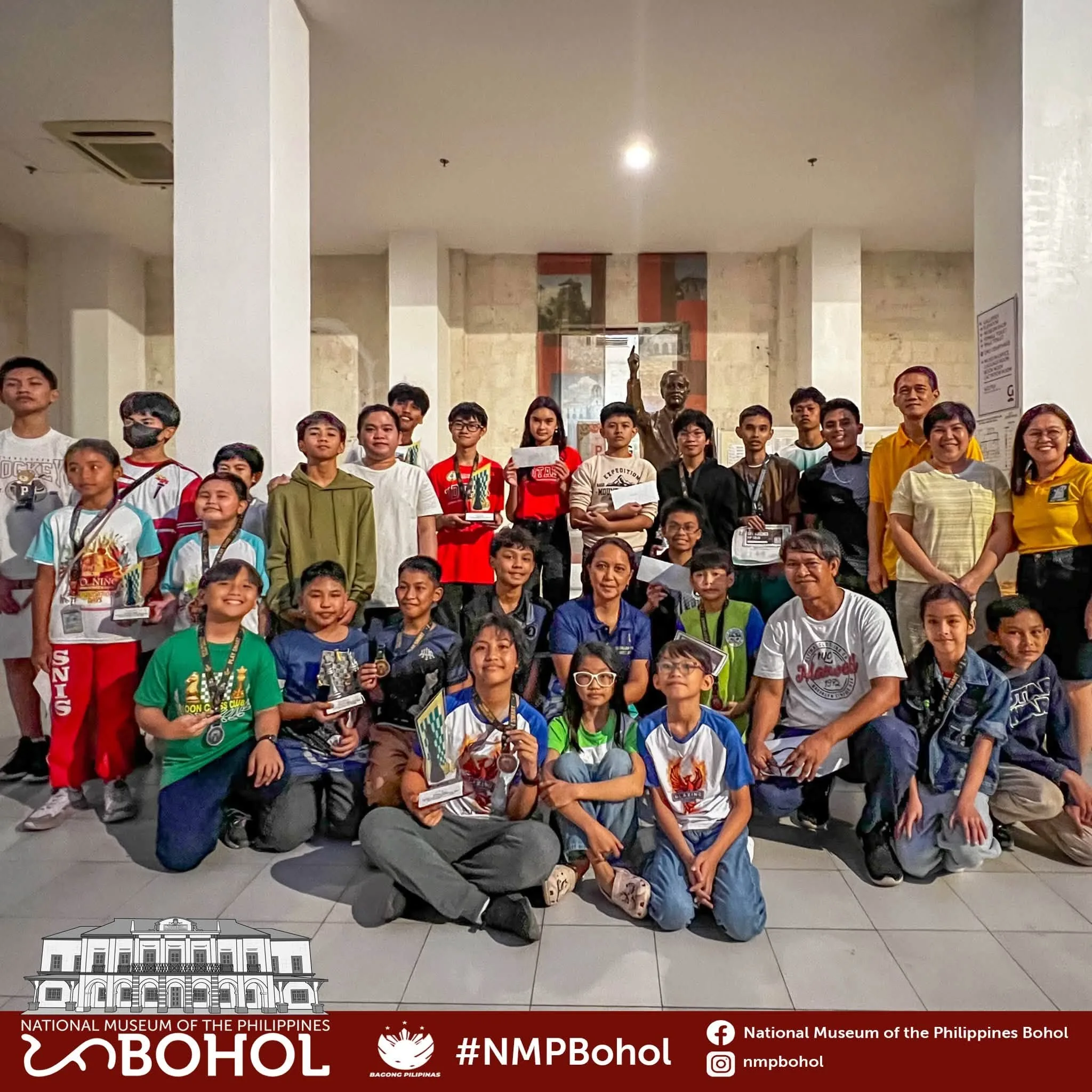
TAGBILARAN CITY, Bohol — The National Museum of the Philippines – Bohol fell silent on July 18, 2026, save for the rhythmic tap of chess clocks and the quiet whispers of strategy. Eighteen schools and clubs from across Bohol gathered for the 1st YCMC All Students Rapid Chess Team Duo Tournament, a celebration of young intellect and teamwork.
A Tournament Built on Partnership
Unlike standard individual matches, the event paired players into two‑person teams, forcing them to trust each other’s judgment. The format required rigid assignment to Board 1 or Board 2 before the first move, with no switching allowed. This unique structure turned solo competitors into true teammates, bound by a shared clock.
The event was the official leg of the Chess Development Tour 2026, organized by the Young Chess Masters’ Club with DepEd Tagbilaran’s endorsement. Seven rounds of rapid play, with 15 minutes and a five‑second increment per move, kept the action brisk and intense. Each match demanded quick calculation, deep trust, and nerves of steel.
A Historic Venue for Future Champions
The Old Capitol Building’s stone halls, usually home to cultural artifacts, became a battleground for kings, queens, and knights. Hosting a chess tournament inside the National Museum gave the event a gravitas rarely seen in youth sports. Parents and coaches watched from the wings, their pride evident.
The museum setting also reinforced the idea that chess is both sport and art. The young players treated the venue with reverence, raising their game to match the dignified surroundings. Every move was measured, every victory savored against a backdrop of national heritage.
A Community of Learners and Dreamers
Participating institutions ranged from science high schools and state universities to local chess clubs like the King of Blunder Chess Club from Inabanga. The diversity of backgrounds proved that chess knows no boundaries. Players from Tagbilaran City Science High School sat across from club members, all equals over the board.
The tournament emphasized inclusivity, allowing mixed‑gender and mixed‑age duos to compete. An elementary pair could choose to play up in the Juniors division, testing their skill against older students. The champion team in the Juniors division claimed ₱3,000, a trophy, and lasting bragging rights.
Growing the Sport, One Move at a Time
Beyond the cash prizes and medals, the tournament aimed to instill discipline and critical thinking. The Swiss‑system format ensured every team played all seven rounds, so no one left early. Each game was a lesson in resilience, win or lose.
Organizers hope the team‑duo concept will inspire more schools to form chess clubs and train regularly. They see chess as a gateway to better academic performance and life skills. The 1st YCMC tournament has set a benchmark, and plans for future legs are already in motion.
