Preparing Farms for Changing Weather Conditions
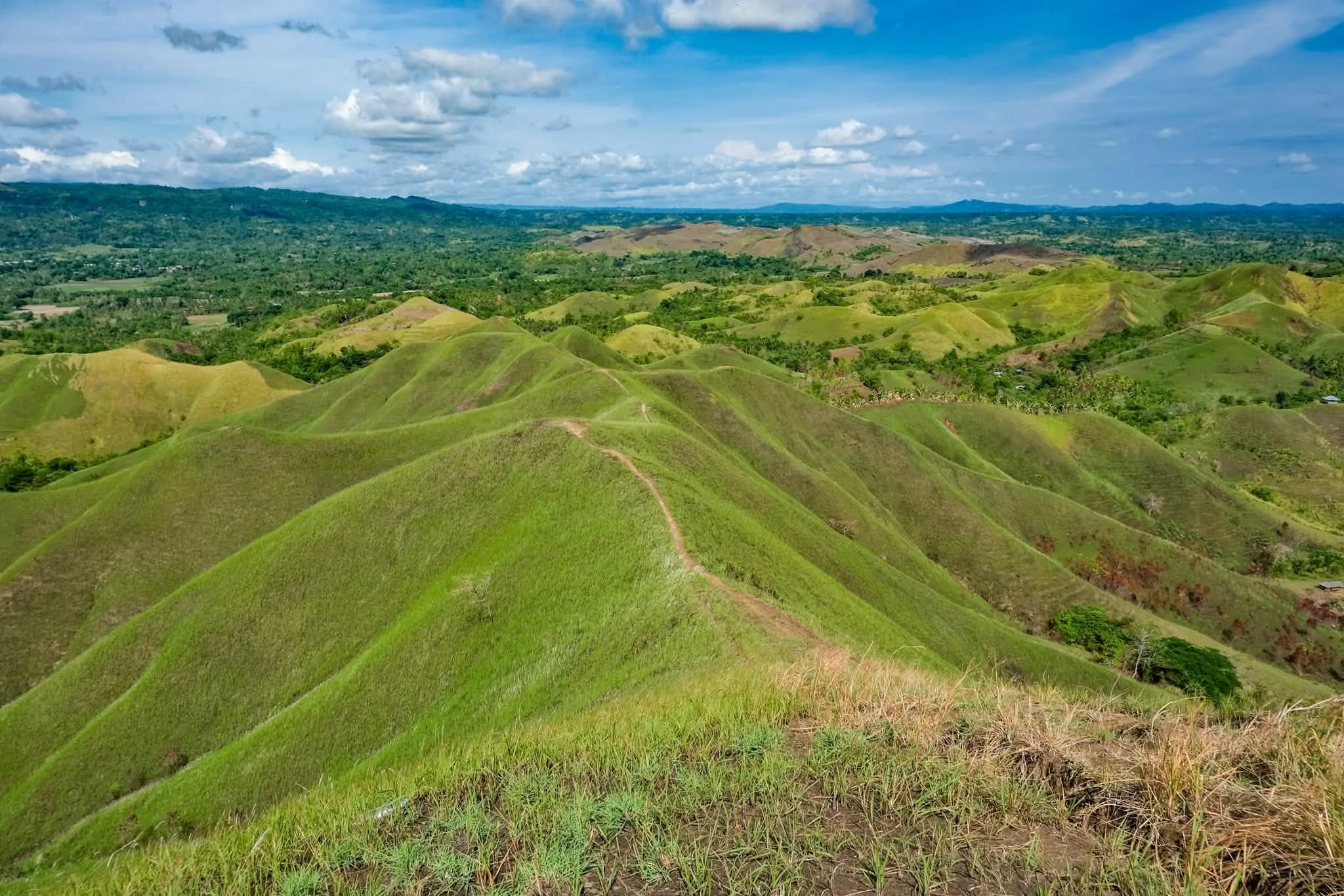
BOHOL - The Provincial Agricultural Advisory for November 23–29, 2026, provides farmers with guidance based on the expected weather conditions across the province. According to the advisory, easterly winds may bring occasional rain and thunderstorms, while temperatures are expected to range from 24°C to 30°C. Although rainfall is expected in some areas, farmers are encouraged to conserve water and prepare their irrigation systems in anticipation of possible El Niño conditions. The province also recommends continued efforts to improve water availability, including cloud seeding activities intended to increase rainfall and help replenish water sources. Farmers are advised to monitor weather information, maintain clear waterways, and plan their farm activities according to available water and local conditions.
Choosing Suitable Crops and Maintaining Farm Productivity
The advisory recommends several crops that farmers can consider planting, including upland rice, corn, cassava, vegetables, sweet potato, peanut, and mungbean. These options provide agricultural communities with different crops to consider when planning their planting activities and managing available farmland. Recommended farm activities include preparing the soil, planting or transplanting seedlings, monitoring crops for pests and diseases, and managing irrigation properly. Farmers are also encouraged to clean and maintain irrigation canals, harvest crops at the appropriate time, and handle harvested products carefully to preserve their quality. Selecting good-quality fruits and vegetables and saving suitable seeds for the next planting season can also help farmers prepare for succeeding production cycles.
Conserving Water and Food for Household Security
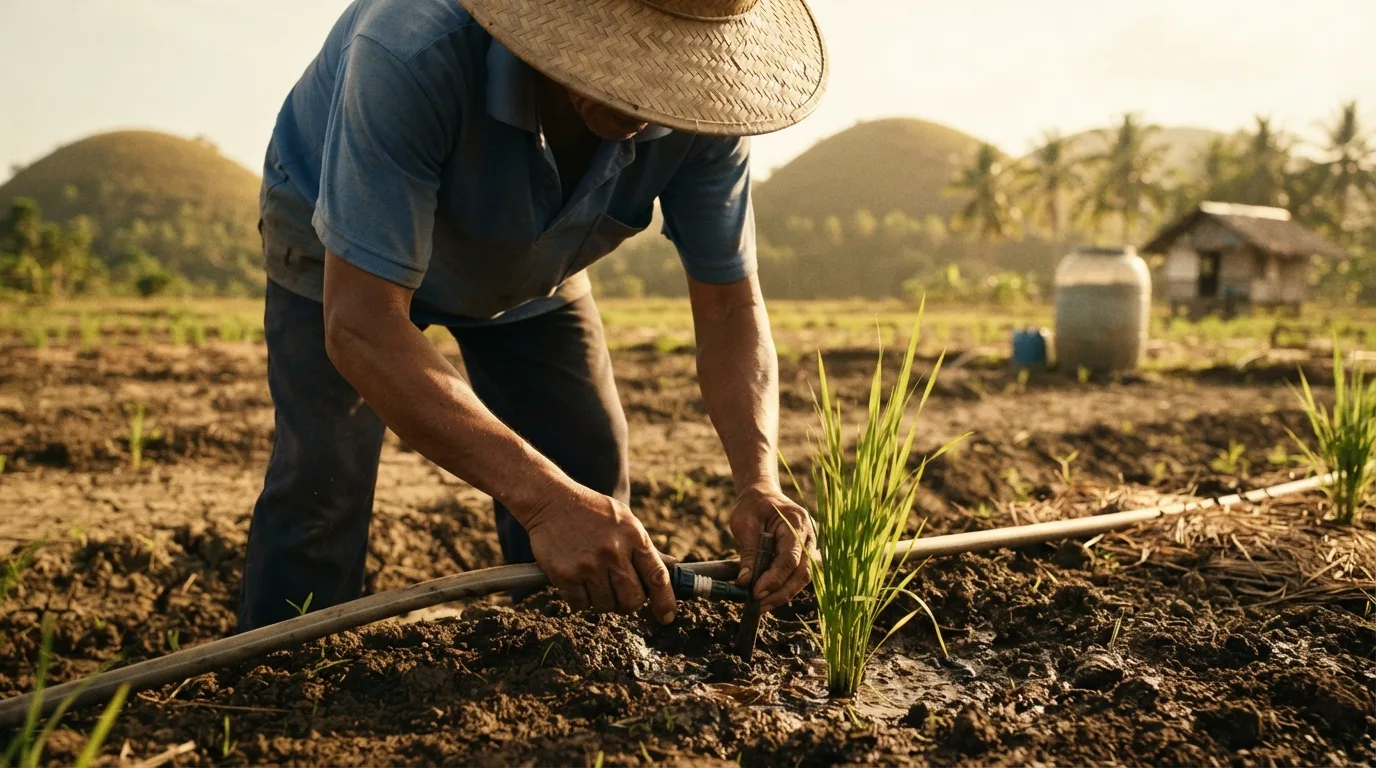
Water conservation is one of the main priorities in the advisory, with farmers encouraged to collect and store rainwater whenever possible. Other recommended practices include using drip irrigation, watering plants early in the morning or late in the afternoon, applying mulch to keep soil moist, and maintaining irrigation canals and waterways. Food conservation is equally important, with households encouraged to plan meals properly, store food appropriately, and avoid unnecessary food waste. Farmers are also reminded to harvest and prepare agricultural products properly to make better use of their production and reduce losses. By practicing these measures at both farm and household levels, Bohol communities can strengthen their readiness for possible El Niño impacts and support a more sustainable local food supply.