


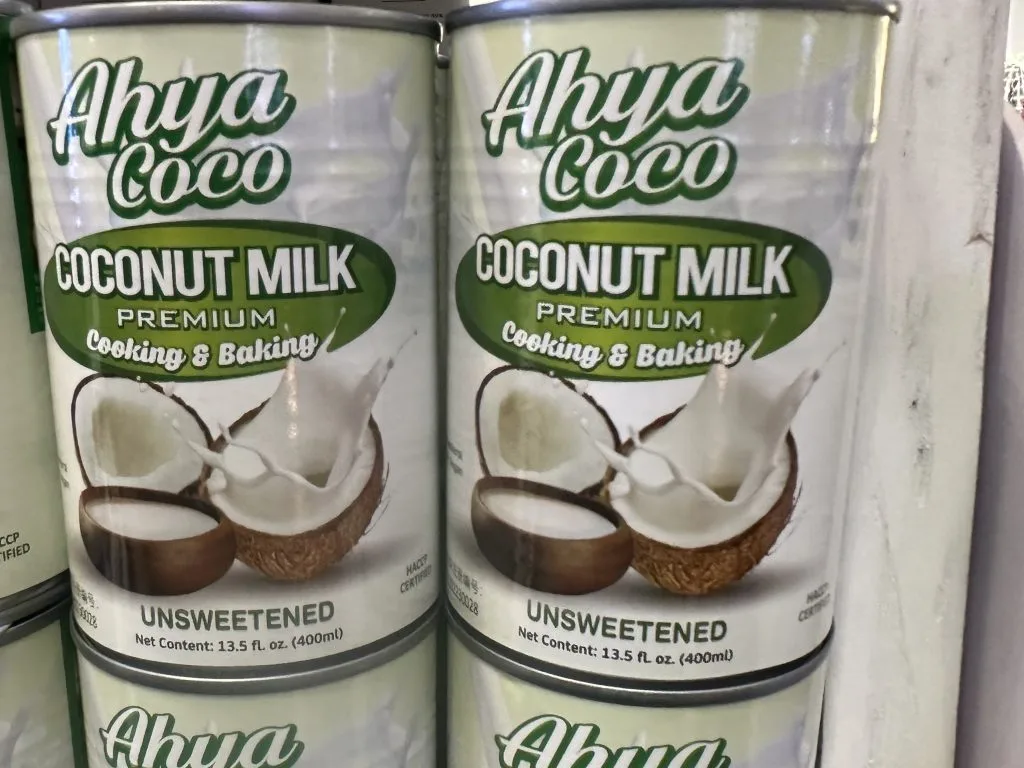
DAVAO — Coconut processors in the Davao Region are setting their sights on China as a promising market for coconut milk and coconut water. The push comes as local producers seek to expand beyond traditional buyers and capitalize on growing global demand for dairy alternatives.
A Lucrative Market in China
A significant portion of the Chinese population is lactose intolerant, making dairy alternatives like coconut milk highly attractive. Maria Victoria Placer, DTI Davao del Sur Provincial Director, noted that about 80 percent of Chinese consumers cannot digest dairy. This creates a natural demand for coconut-based products that Davao can supply.
The China-ASEAN Expo (CAExpo) presents a major opportunity. This year, the Philippines is the country of honor, and the Department of Trade and Industry aims to bring 100 micro, small, and medium enterprises to exhibit in China. Placer recalled positive results from a previous Shanghai trade fair, reinforcing confidence in the market.
Davao's Dominance in Coconut Production
The Davao Region is the country's top coconut producer, generating 1.9 million metric tons annually. This accounts for 13.7 percent of the national output of 14.5 million metric tons. Such volume positions Davao as a reliable source for international buyers seeking consistent supply.
Placer emphasized that the region has processing plants across Davao City, Davao del Sur, Davao del Norte, and Davao de Oro. Many exporters are already engaged in coconut processing, and consolidation efforts are underway to pool resources from smaller MSMEs. This collaboration helps meet the large volume requirements of foreign buyers.
Challenges to Overcome
Despite the potential, farmers and enterprises face significant hurdles. Placer cited high costs for certifications, including Halal certification at ₱1 million, as a major barrier. Other expenses include FDA requirements, export accreditations, and organic certifications for certain products.
Transportation costs and gaps in farm-to-market road infrastructure further complicate logistics. Meeting the large container-volume demands of international buyers also requires coordination among multiple producers. These challenges underscore the need for government support and strategic partnerships to make exports viable.
Government Support and Trade Fairs
Under the Coconut Farmers and Industry Development Plan, 15 government agencies work together to assist cocopreneurs. DTI is one of the implementing agencies, mandated to conduct marketing research and promotions for coconut products. This whole-of-nation approach aims to streamline support for local producers.
Trade fairs remain a key strategy for market promotion. The inaugural Coconut Philippines Mindanao 2026 Trade Fair runs from September 10 to 13 at Ayala Abreeza Mall in Davao City. Organized with the Mindanao Trade Expo, the event gathers over 100 coconut farmers, cooperatives, and MSMEs, along with 30 exhibitors from across Mindanao.
A Bright Future for Cocopreneurs
Placer said the trade fair targets ₱30 million in cash, booked, and negotiated sales. Such events provide a platform for local producers to connect with buyers and showcase the quality of Davao's coconut products. The exposure can lead to long-term contracts and sustained revenue.
With China's demand for dairy alternatives growing, Davao's coconut industry stands poised for expansion. The combination of abundant raw materials, existing processing capacity, and government backing creates a strong foundation. For local farmers and processors, the Chinese market represents not just an opportunity but a pathway to economic growth.
