Visitors Can Change What a Neighborhood Offers
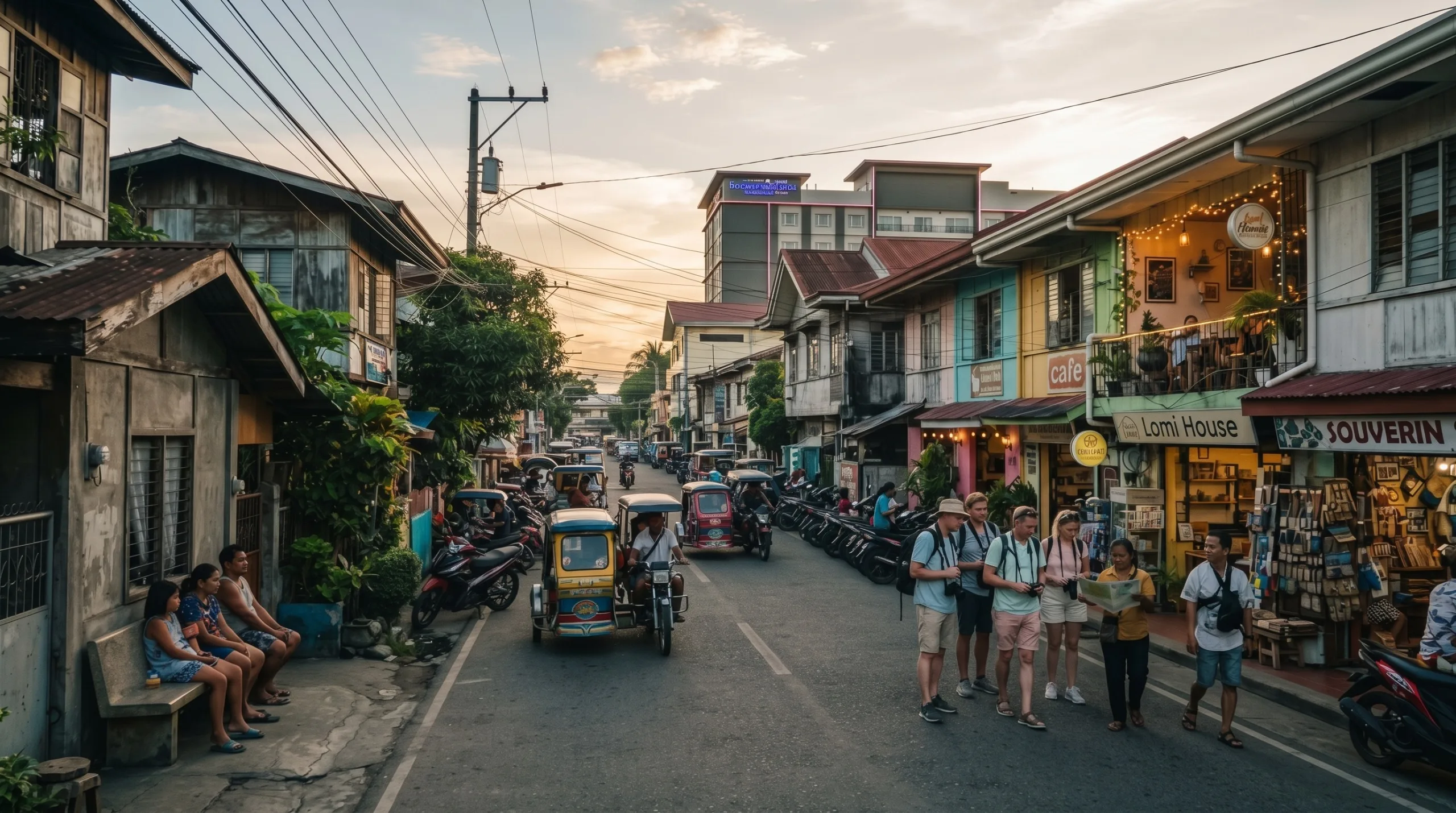
BACOLOD - A growing visitor population can encourage businesses to open or expand around places that tourists frequently visit. Restaurants, cafés, convenience stores, transportation services, short-stay accommodations, and other businesses may find opportunities in areas with regular visitor activity. For residents, this can mean having more choices for dining and everyday services without traveling far. At the same time, increased activity can bring more traffic, noise, parking demand, and pedestrian movement, depending on the location and intensity of tourism. Property seekers therefore need to consider not only what is currently operating near a home but also how visitor activity may affect the neighborhood during festivals, holidays, and major events.
Tourism Can Influence Different Properties in Different Ways
Not every residential area experiences tourism in the same manner. A condominium or apartment near commercial and entertainment districts may appeal to people who value convenient access to restaurants and attractions, while families may prefer a quieter subdivision farther from busy visitor corridors. Tourism can also create demand for different types of accommodation, but residential properties have zoning, building, association, and regulatory considerations that owners need to understand before considering short-term rental use. Bacolod's land-use and zoning documents can help property buyers understand how particular areas are designated. Instead of assuming that tourism automatically makes a property more valuable, investors can examine whether visitor demand actually fits the property's permitted use and the surrounding community.
Finding the Balance Between Activity and Livability
The most important question for residential communities may be how tourism can grow without reducing the qualities that make neighborhoods comfortable places to live. Good transportation planning, waste management, pedestrian facilities, drainage, public safety, parking management, and appropriate land-use controls can all influence how tourism affects nearby households. Bacolod's long-term urban planning discussions provide a useful framework for considering how residential, commercial, tourism, and public spaces can coexist as the city develops. For homebuyers, visiting a prospective neighborhood on an ordinary weekday as well as during a busy event can reveal a more complete picture of daily conditions. Tourism can bring economic activity and new services, but its effect on residential life ultimately depends on how growth is planned and managed.