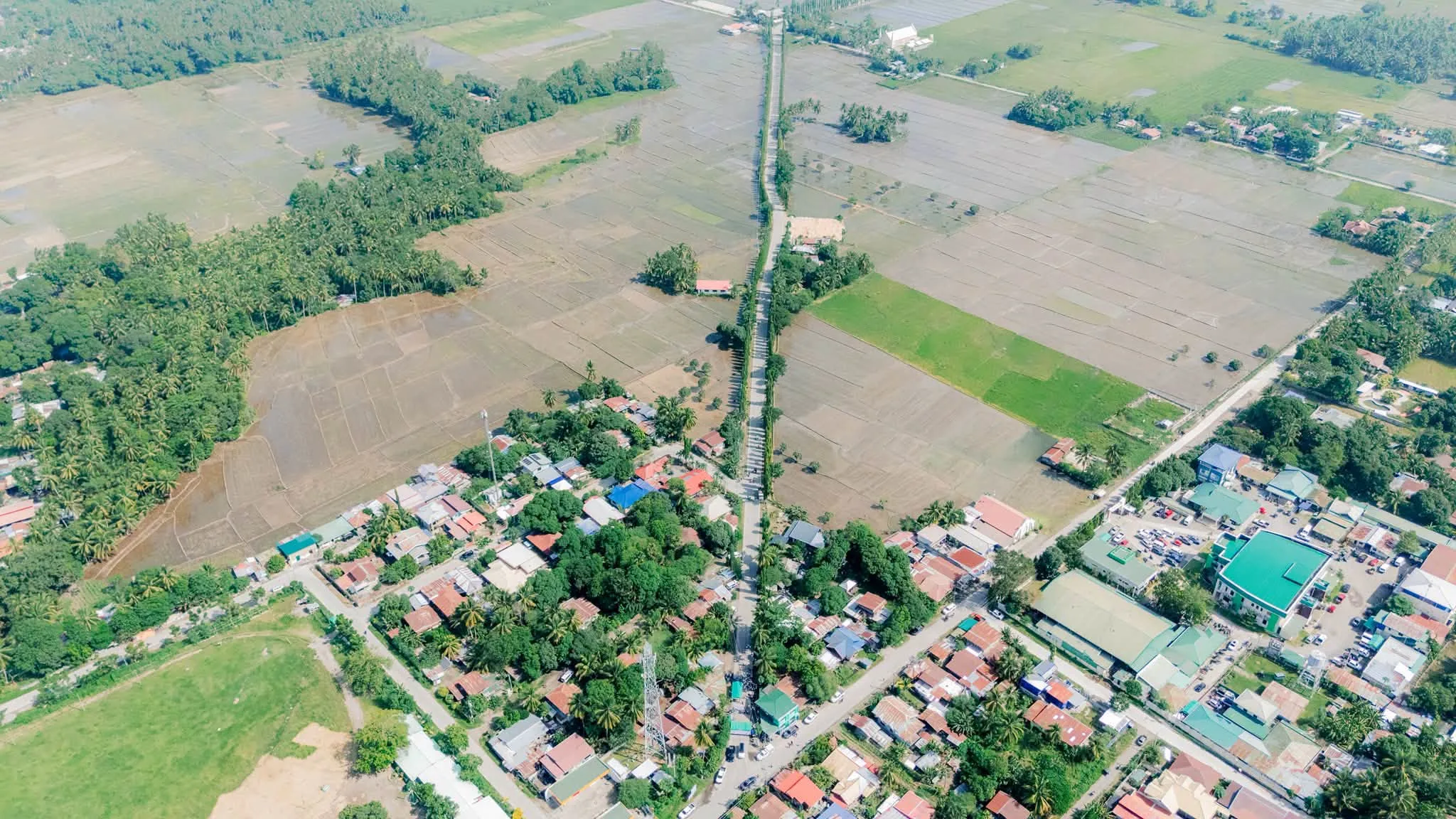
DAVAO CITY — The City Government of Davao is actively preparing for the impacts of El Niño by utilizing 700 water catchments and natural reservoirs. These facilities are crucial for mitigating the drought's severe effects on the local farming sector and ensuring agricultural stability.
Boosting Agricultural Resilience
Dr. Antonio Obsioma, head of the Davao City Agriculturist Office, confirmed that three or four natural reservoirs are currently operational. These water sources serve multiple purposes, including crop irrigation, livestock raising, fish production, and daily domestic use for surrounding communities.
The proactive approach addresses the looming threat of prolonged dry spells. By maximizing existing water infrastructure, local authorities aim to prevent severe agricultural losses and maintain food security for residents during the challenging summer months.
Multipurpose Water Systems
Many of these water catchments operate as dual-purpose facilities, supporting community aquaculture. Locals utilize the stored water to raise tilapia and catfish, providing an additional food source and supplementary livelihood for rural families.
Launched in 2021, the Water Catchment Project specifically targets upland farms in Paquibato and Marilog. Beyond storing rainwater for dry spells, these catchments prevent destructive water runoffs from upland areas from flooding lowland communities during heavy rains.
This comprehensive strategy provides significant economic relief, ensuring that rural families can sustain their income even when traditional rainfall patterns become highly unpredictable. The dual-use design maximizes the utility of every constructed unit.
Streamlined Implementation Process
Farmers initiate the process by requesting the facility through their barangay. Once the request reaches the Agriculturist Office, officials evaluate the site's viability. If approved, the landowner signs a usufruct agreement permitting the barangay to utilize the property.
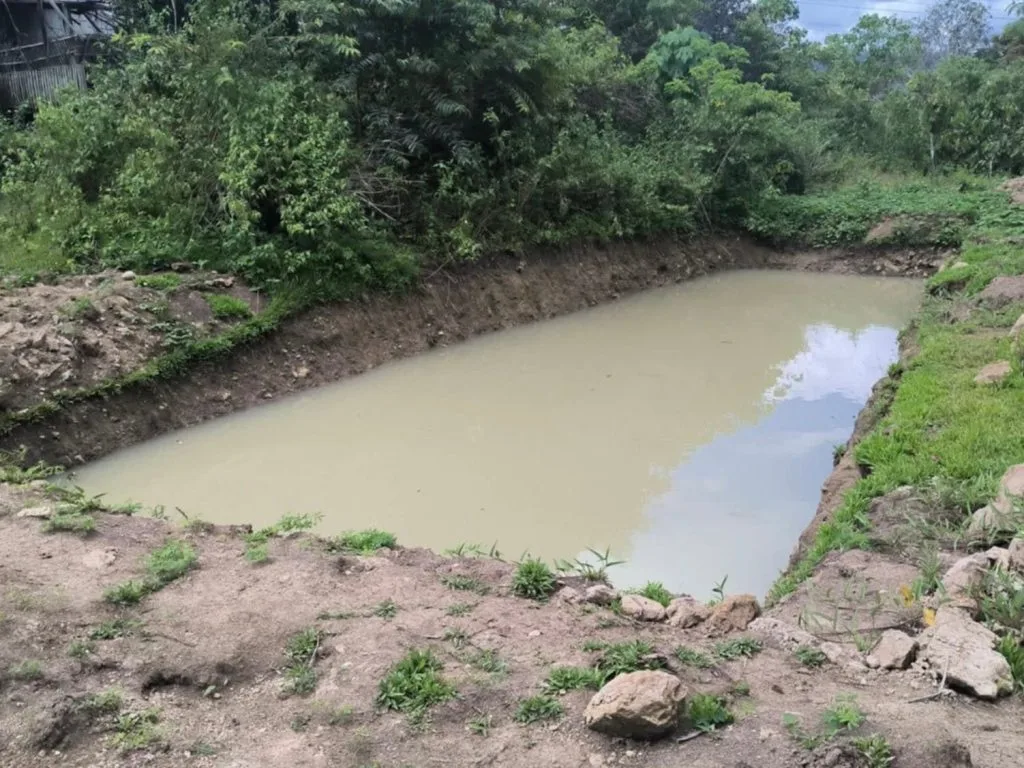
To construct the facilities, the city government provides heavy equipment like backhoes to excavate the ground. The excavated pit naturally fills with water as the surrounding soil becomes saturated, creating a reliable reservoir without massive infrastructure costs.
Expanding Irrigation and Emergency Support
In addition to catchments, Davao City utilizes five solar-powered irrigation systems located across the Marilog, Calinan, Toril, and Paquibato districts. The City Government and the Department of Agriculture fund these systems to ensure sustainable water access for local farmers.
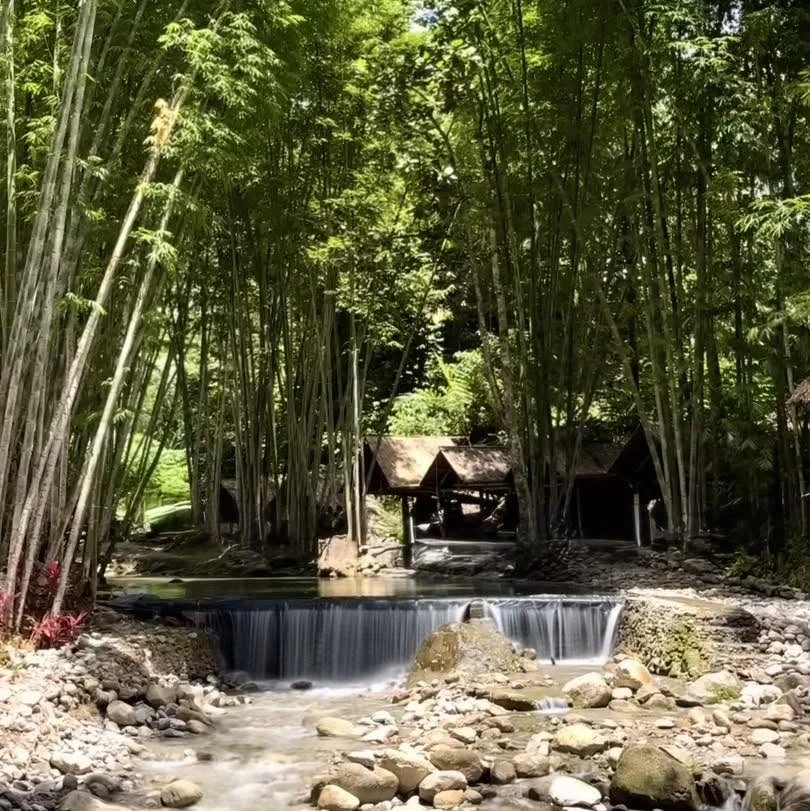
Authorities are also tapping into natural springs, prioritizing them for personal consumption before agricultural use. Currently, four springs are utilized in Paquibato, five in Marilog, and two in Toril to supplement the city's water supply.
These alternative water sources are critical backups when primary systems falter. By diversifying their water infrastructure, city planners can guarantee that both basic human needs and agricultural demands are consistently met throughout the challenging summer months.
Equipment Ready for Deployment
The city maintains a stockpile of essential equipment for water distribution, including three hydraulic ram pump irrigation systems in upland barangays. Furthermore, 60 water pumps and 70 power sprayers remain on standby for immediate agricultural deployment.
For emergency response, mobile water tankers are ready to deliver water to severely affected areas. Two tractors equipped with 4,000-liter water tanks are available, providing a combined capacity of 8,000 liters to support vulnerable communities during critical dry spells.