DAVAO CITY — The Department of Science and Technology (DOST) has provided critical funding and laboratory equipment to the newly opened Kidney and Transplant Institute of the Southern Philippines Medical Center. This strategic collaboration supports eight major research programs aimed at significantly improving patient outcomes and medical care.
Enhancing Transplant Survival
The newly opened Southern Philippines Medical Center Kidney and Transplant Institute (SKTI) operates as a premier P1-billion medical facility dedicated to treating kidney disease patients. As one of the 17 institutes within the SPMC, it houses a comprehensive immunology laboratory, pediatric nephrology, and a urology department, ensuring holistic care for every patient.
Dr. Maria Theresa Bad-ang, head of the SKTI, emphasized that DOST acts as a vital research partner. The agency provides the necessary funding while the medical team conducts the studies, ensuring that SPMC patients are the direct beneficiaries of these scientific breakthroughs and newly developed medical protocols.
Targeted Medical Studies
Among the funded projects is the Tacrolimus Trough testing, a P1-million initiative designed to prevent organ rejection. This study measures the lowest concentration of the immunosuppressant drug before the next scheduled dose, allowing physicians to tailor treatments precisely for patients and maintain the health of the transplanted organ.
Another crucial research focuses on IgA nephropathy, seeking to identify the specific Filipino gene responsible for certain kidney diseases. By understanding the genetic factors, doctors can develop more targeted and effective interventions for patients suffering from this specific condition, advancing personalized medicine in the country.
These research initiatives highlight the importance of local scientific inquiry in addressing specific health challenges. By studying the unique genetic and environmental factors affecting Filipinos, medical professionals can develop treatments that are highly effective for the local population and save more lives.
Advanced Virus Detection
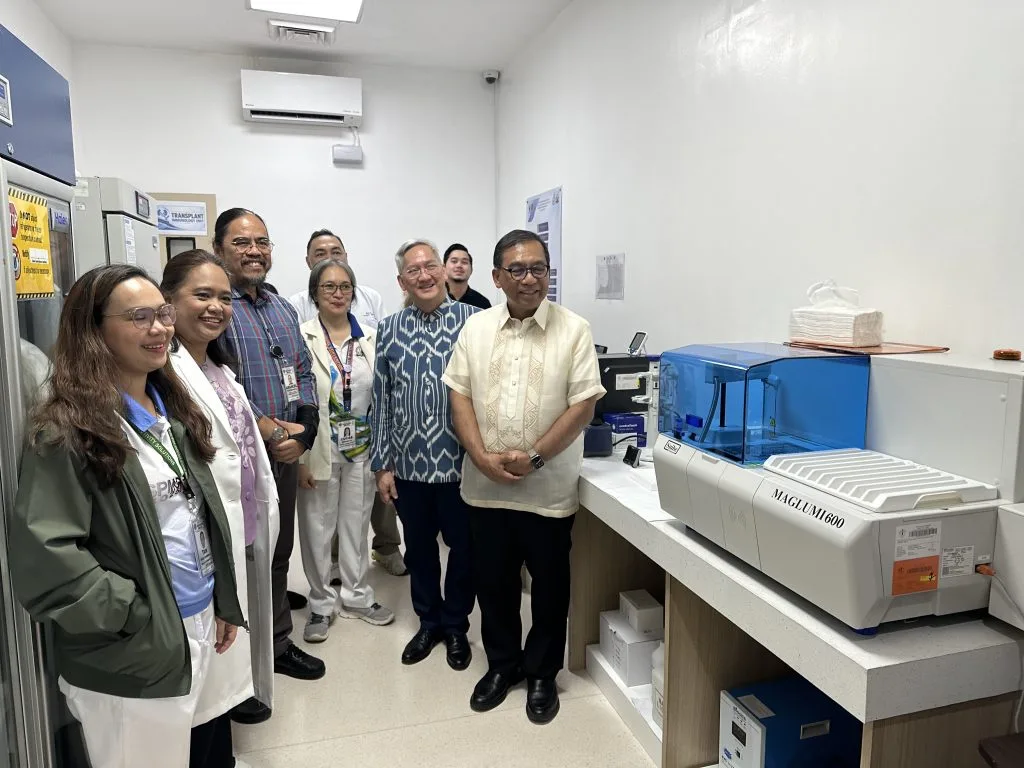
The ongoing collaboration includes a massive P31-million study on cytomegalovirus, a viral infection that threatens transplanted kidneys. The funding covers the acquisition of a P2-million polymerase chain reaction machine, making SKTI the first public hospital in the country to possess this advanced diagnostic technology.
The DOST grant provides free medicines worth P200,000 per patient for 40 kidney transplant recipients monitored over six months. This significant financial support eliminates the burden of costly treatments, ensuring patients can focus entirely on their recovery without worrying about overwhelming medical expenses.
Beyond the current study, the PCR machine will remain highly beneficial for the hospital. It can be utilized for various immunocompromised patients, including those battling cancer, further extending the value of the government investment in public health infrastructure and diagnostic capabilities.
A Vision for Long-Term Care
The overarching vision of the SKTI is to extend the lifespan of transplanted kidneys and the patients themselves for up to twenty years. DOST Secretary Renato Solidum recently visited the facility on October 15 to inspect the progress of this transformative collaboration firsthand.
The P1-billion SKTI facility boasts a 100-bed dialysis center, touted as the largest in Mindanao. This massive healthcare infrastructure, combined with cutting-edge research, ensures that patients receive world-class care while advancing the country's medical knowledge for future generations.
This convergence of advanced medical facilities and state-funded research positions Davao City as a leading hub for specialized healthcare in the southern Philippines. It directly saves lives, improves community welfare, and sets a new standard for medical excellence in the region.