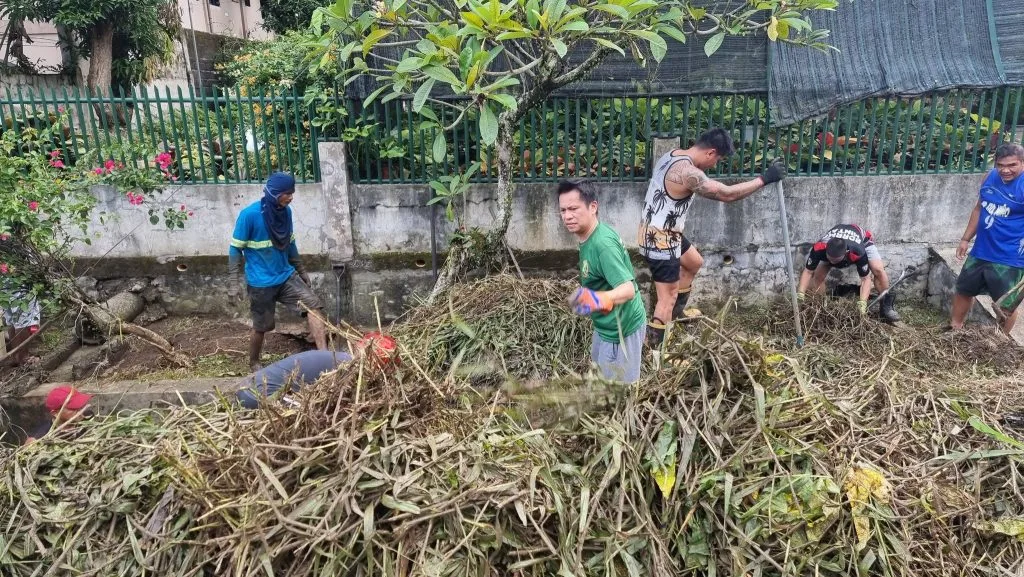
Davao — As seasonal heavy downpours and localized thunderstorms continue to trigger flash floods across urban zones, the City Government of Davao is rallying communities at the most local level. Through the Ancillary Services Unit (ASU), the local administration is strongly urging all barangays throughout the metropolis to establish dedicated "Canal Brigades". Tasked with maintaining, clearing, and unclogging neighborhood drainage systems and waterways, these grassroots volunteer groups aim to drastically reduce urban flooding and protect vulnerable residential settlements.
Scaling Community Action Inspired by Local Success
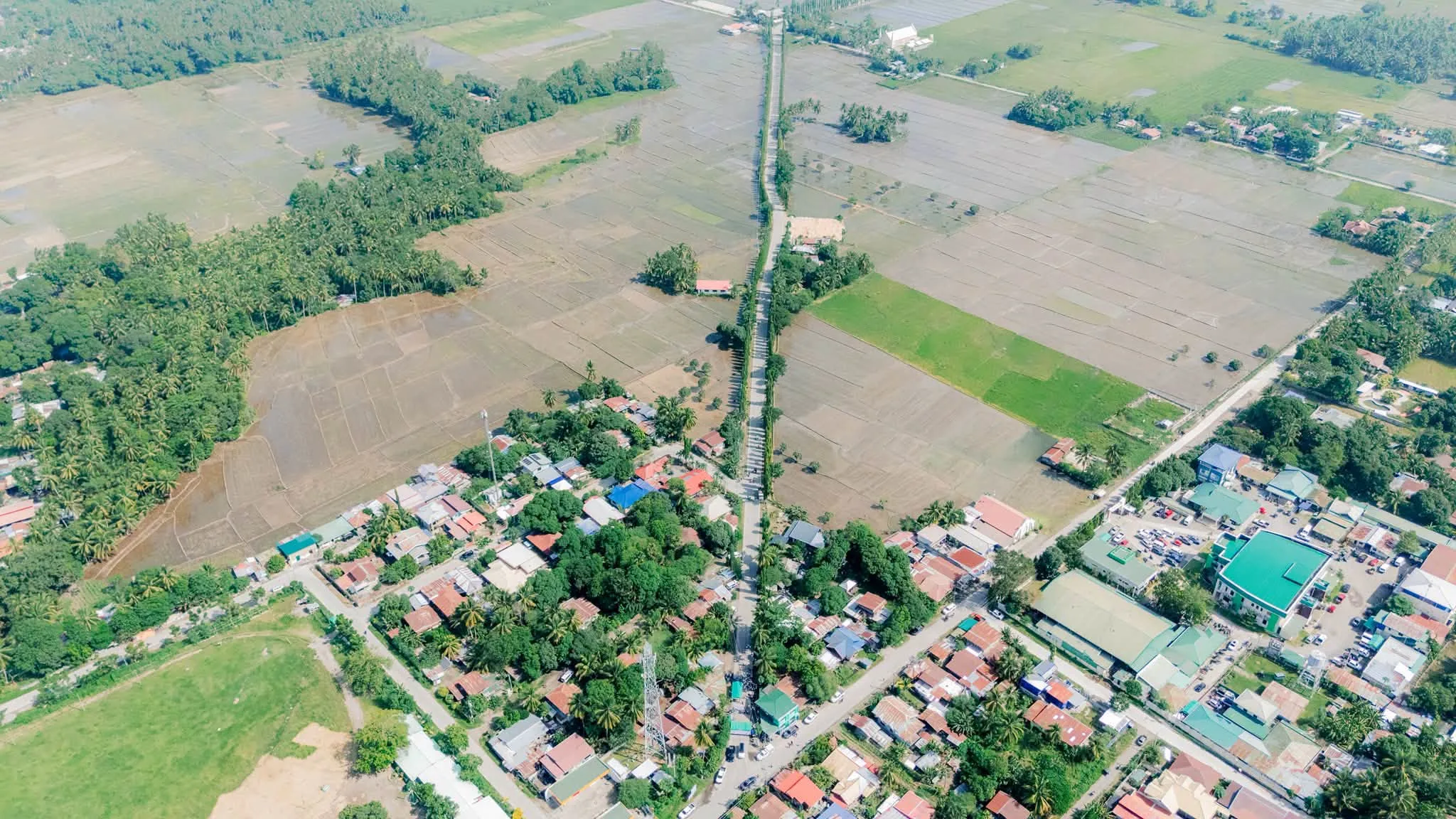
During a recent public radio briefing, ASU head Paul Bermejo pointed to Barangay Daliao in the Toril District as a shining model of proactive community mobilization. Having successfully established its own active canal brigade, the barangay has managed to keep its local drainage networks clear of accumulated debris and silt. Bermejo emphasized that replicating this grassroots model across other districts will create a powerful protective buffer against the recurring overflow caused by heavy monsoon weather systems. Several other districts, including Maa, Buhangin, and Bucana, have already begun organizing similar community-led clean-up initiatives.
Augmenting Municipal Crews for Faster Response
While the Ancillary Services Unit—operating directly under the Office of the City Mayor—is tasked with maintaining major city sidewalks and arterial drainage networks, citywide manpower remains stretched thin during severe weather. Establishing localized canal brigades provides a vital workforce augmentation, allowing neighborhoods to clear trash, silt, and vegetative blockages from minor culverts long before heavy rains trigger major overflows. This cooperative framework ensures that minor clogs are addressed immediately at the purok or barangay level, preventing water accumulation from spilling over onto major thoroughfares.
Building Long-Term Resilience Through Shared Responsibility
With climate volatility continuing to test urban infrastructure across the country, local leaders stress that municipal interventions alone are not enough to guarantee flood-free communities. Fostering a culture of active environmental maintenance empowers residents to take direct ownership of their immediate surroundings, from properly disposing of household waste to participating in regular community-led desilting drives. As Davao City continues to refine its disaster preparedness and urban drainage master plans, these community-driven brigades stand out as an essential first line of defense for sustainable local safety.