


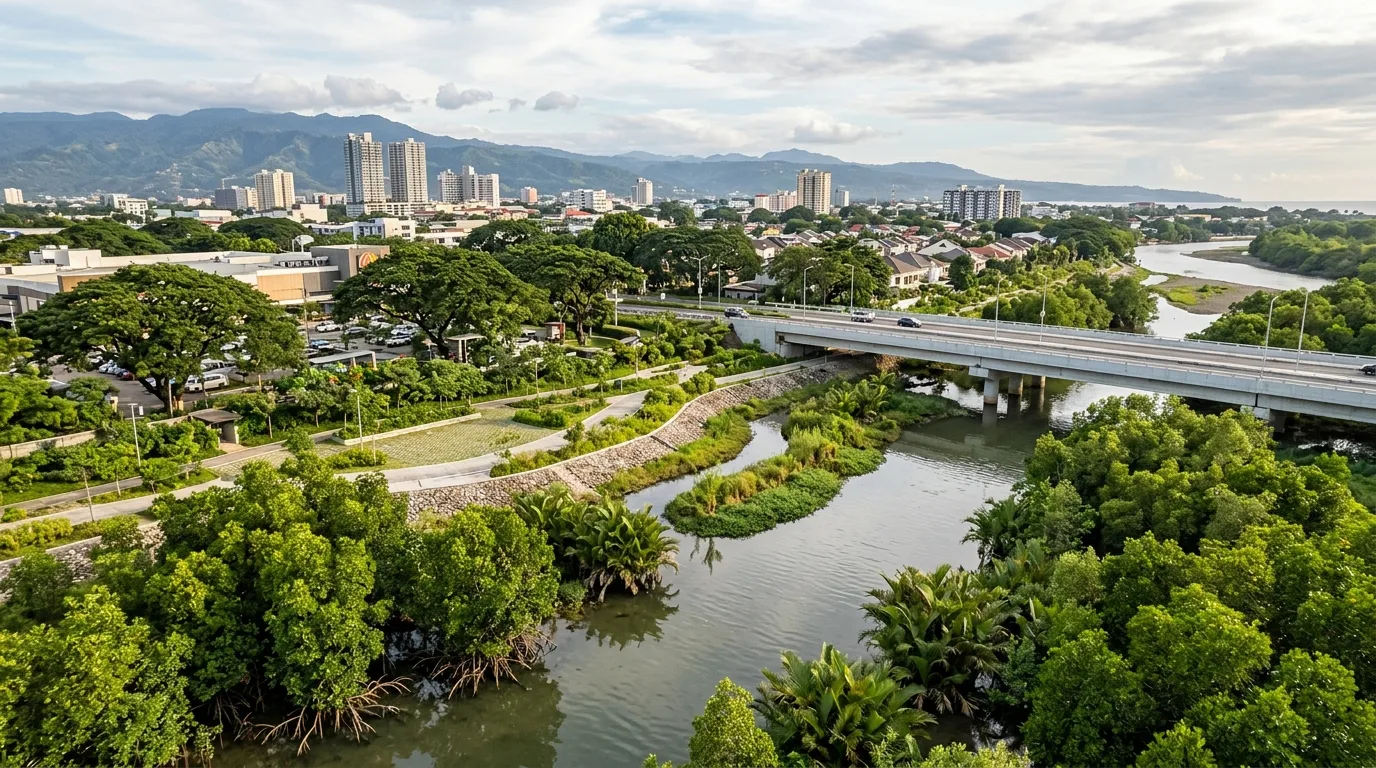
Davao — As Davao City continues to experience rapid urbanization and increasing climate volatility, a prominent environmental advocacy group is urging the local government to shift toward Nature-Based Solutions (NBS). The call to action emphasizes that structural engineering alone is insufficient to manage the city's growing flood risks and heat island effects. By integrating natural ecosystems—such as wetlands, urban forests, and permeable green spaces—into urban development plans, the group argues that the city can build long-term resilience while enhancing the quality of life for its residents.
Redesigning the Urban Landscape
The core of the proposal centers on restoring the natural capacity of Davao’s landscape to absorb water and regulate temperature, which has been severely compromised by concrete-heavy development. The advocacy group suggests that instead of relying solely on traditional concrete drainage systems, the city should invest in restoring mangrove belts along coastal areas and creating "sponge city" features like bioswales and detention ponds. These natural infrastructures are designed to capture excess rainfall and filter pollutants, providing a multi-functional approach to flood management that is both cost-effective and ecologically sound. By preserving remaining green corridors, the city can effectively reduce the surface runoff that frequently causes flash flooding in low-lying residential areas.
Building Public and Private Partnerships
Translating this vision into policy requires a fundamental shift in how public infrastructure projects and private developments are approved. The group suggests that the city update its Comprehensive Land Use Plan to incentivize developers who incorporate green roofs, vertical gardens, and permeable paving into their designs. Furthermore, the initiative calls for stronger collaboration between the City Planning and Development Office and scientific research institutions to map high-risk areas where NBS could provide the highest impact. Engaging the private sector is particularly crucial, as many of these natural solutions can be integrated into private real estate developments, turning them into partners in the city’s climate mitigation strategy.
A Legacy of Climate-Ready Governance
Looking toward the long term, adopting Nature-Based Solutions is presented as a strategic investment in Davao City’s future economic stability. Climate-related disasters pose a significant threat to local businesses and public assets, and proactive, nature-centered planning can significantly reduce these potential losses. As the city moves toward becoming a more modern and globally competitive urban hub, the integration of these solutions will signal that Davao is prepared to handle the challenges of a changing environment. Ultimately, this approach promises to leave a legacy of a more livable, healthier city, where infrastructure works in harmony with the natural environment rather than against it.
