


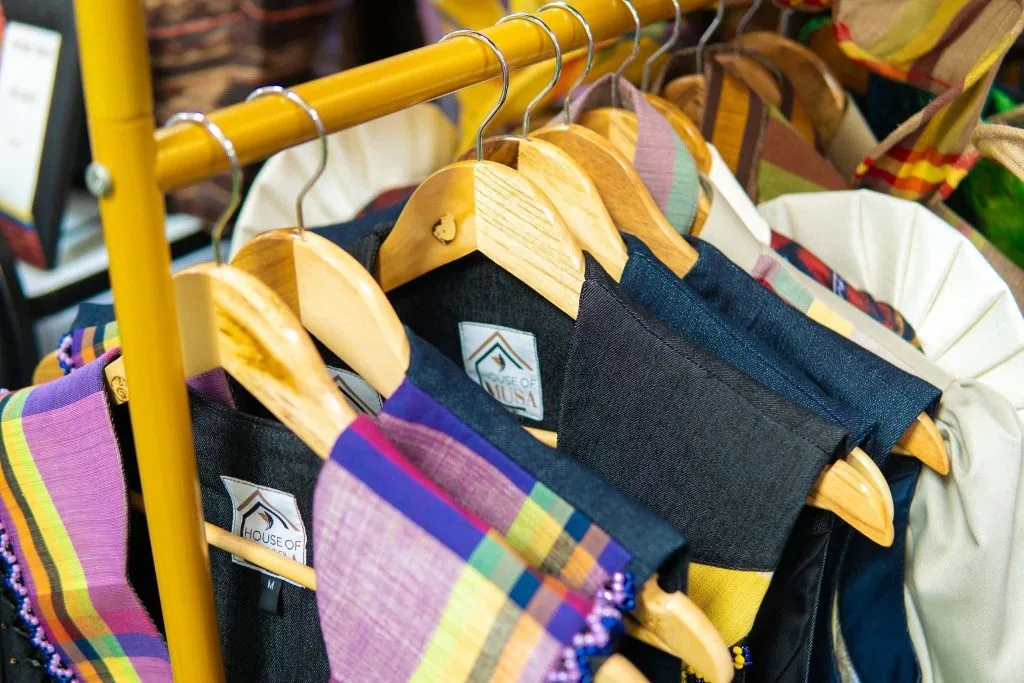
TAGUM CITY, Davao del Norte — What began as a creative idea to repurpose discarded banana stems has grown into a global eco‑fashion brand with a compassionate core. House of Musa, founded by designer Gleizl Joy C. Soo, weaves together sustainable couture, inmate rehabilitation, indigenous craftsmanship, and care for vulnerable children, proving that business can be a force for inclusive growth.
From Farm Waste to Runway Fabric
The process starts in banana plantations, where farmers sell harvested pseudostems to community‑based decorticators in Sto. Tomas. The fibers extracted from these stems are then transported to prison workshops, where persons deprived of liberty hand‑weave them into durable Musa cloth. This collaboration transforms agricultural waste into a valuable textile, while providing inmates with meaningful work and income.
Soo’s enterprise further elevates the fabric by integrating artwork from young creators with disabilities. Their original paintings are transferred onto Musa textiles through sublimation techniques, turning each garment into a wearable masterpiece. Indigenous artisans from the Kagan Tribe craft accessories that complement the clothing line, completing a value chain that supports multiple marginalized groups.
A Lifeline for Abandoned Children
Every fashion show staged by House of Musa—whether in Tagum or on international runways—helps sustain a monthly commitment of ₱20,000 to ₱25,000 to Angels’ Haven, a government‑run residential facility for about 40 children with severe disabilities. The donations cover food, materials, and daily care needs, ensuring that the children who have been abandoned or surrendered receive consistent support. The partnership, active since 2023, channels proceeds directly from the fashion enterprise into the facility’s operations.
The founder shared the deep personal fulfillment that comes from knowing each collection showcased abroad translates into meals and medicine for these children. The fashion house also opens its doors to students and researchers, offering its workshop as a learning space for documentaries and community studies, while providing youth models a platform to build confidence.
Global Recognition and Local Roots
Since its founding in 2020, House of Musa has brought Davao’s banana textile to runways in New York, Paris, London, and Milan, showcasing the fabric in over 15 countries. The enterprise has received the Most Inspiring Filipina Woman Innovator award from the Department of Trade and Industry, recognition at the ASEAN Business Forum, and a Presidential Award in Malacañang for inclusive business leadership. These accolades highlight how a deeply local innovation can resonate globally.
The model’s strength lies in its ability to fuse environmental sustainability with social justice. By turning agricultural by‑products into high‑value textiles, the business reduces farm waste while creating a sustainable supply chain that employs inmates, uplifts indigenous artisans, and supports children in need. House of Musa demonstrates that profitability and compassion can coexist and that the fashion industry can be a powerful engine for community transformation.
