


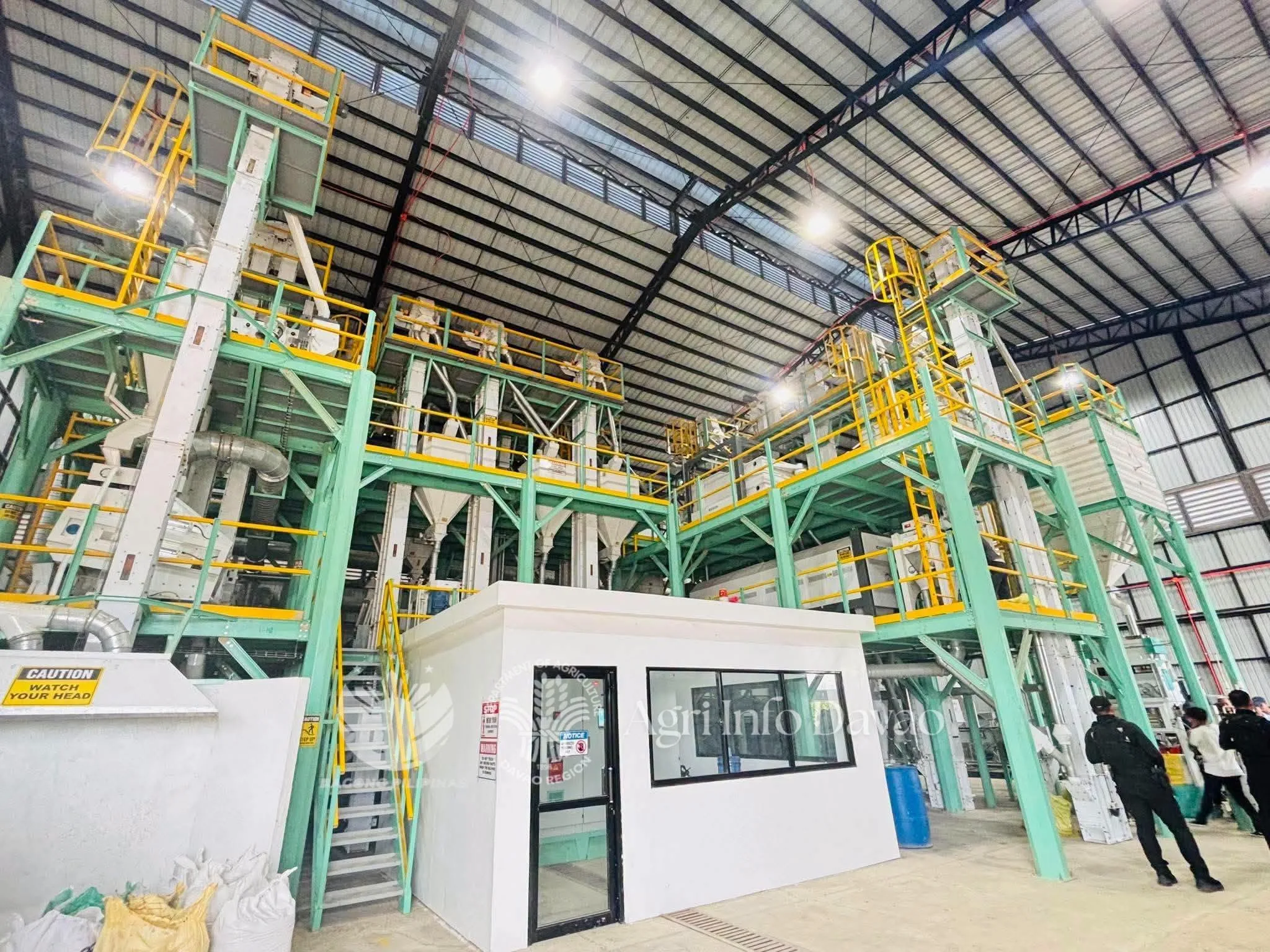
KAPALONG, Davao del Norte — A major boost for rice farmers in Davao del Norte came as the ₱77.4-million Rice Processing System II in Barangay Capungagan began full-scale operations. The facility brings modern drying and milling technologies closer to farmer organizations across the province.
A Game-Changer for Local Farmers
The RPS II features a 2-3 ton-per-hour multi-stage rice mill worth ₱54.705 million. It also includes drying facilities and shed infrastructure valued at ₱22.7 million. These components work together to address limited drying and milling capacity, particularly during peak harvest periods.
DA XI Regional Executive Director Macario D. Gonzaga said the facility will help farmers reduce postharvest losses and improve rice quality. He emphasized that it creates greater opportunities for farmers to earn from their harvest. The improved processing capabilities directly translate to higher income for agricultural communities.
PhilMech Director Dionisio G. Alvindia stressed that the project is designed to turn mechanization into tangible benefits. Better processing efficiency, reduced losses, and stronger farmer organizations are the key outcomes. The facility empowers cooperatives to manage their operations more effectively.
Strengthening Davao del Norte's Rice Industry
Governor Edwin Jubahib welcomed the facility as an important investment in the province's rice industry. He noted that it provides farmers with more opportunities to increase their income. The governor emphasized the project's role in strengthening the local agricultural economy.
Davao del Norte accounts for 34 percent of the Davao Region's rice production. This translates to 81,165 metric tons annually. The province plays a critical role in regional food security, and the RPS II enhances its capacity to maintain that position.
Under the Rice Competitiveness Enhancement Fund, 48 farmer cooperatives and associations in the province have benefited from mechanization interventions. These groups collectively cover nearly 18,000 hectares and more than 19,000 registered rice farmer-members. The RPS II expands on these efforts by providing advanced postharvest services.
Modern Technology for Greater Efficiency
The RPS II is implemented by the Philippine Center for Postharvest Development and Mechanization. It operates under the RCEF Mechanization Program. The initiative addresses the longstanding need for better drying and milling facilities in the province.
With improved postharvest services, farmer organizations can increase milling recovery and enhance rice quality. They can also reduce losses and expand rice-based enterprises. These improvements create a more resilient and profitable agricultural sector.
The facility represents a significant step forward in modernizing the province's rice industry. By providing access to advanced processing technology, it levels the playing field for small-scale farmers. Cooperatives can now compete more effectively in local and regional markets.
A Gift to Filipino Farmers
The operationalization of the RPS II coincides with the birthday celebration of President Ferdinand R. Marcos Jr. It stands as a "Handog ng Pangulo: Serbisyong Sapat para sa Lahat." The initiative brings technology, opportunity, and stronger livelihoods closer to Filipino farmers.
This project reflects the government's commitment to agricultural modernization. It demonstrates how strategic investments can transform rural communities. For the farmers of Davao del Norte, the RPS II is more than infrastructure—it is a promise of prosperity.
The facility ensures that farmers capture more value from their harvests. It reduces their dependence on inefficient postharvest practices. As operations continue, the RPS II is expected to catalyze further growth in the province's rice industry.
