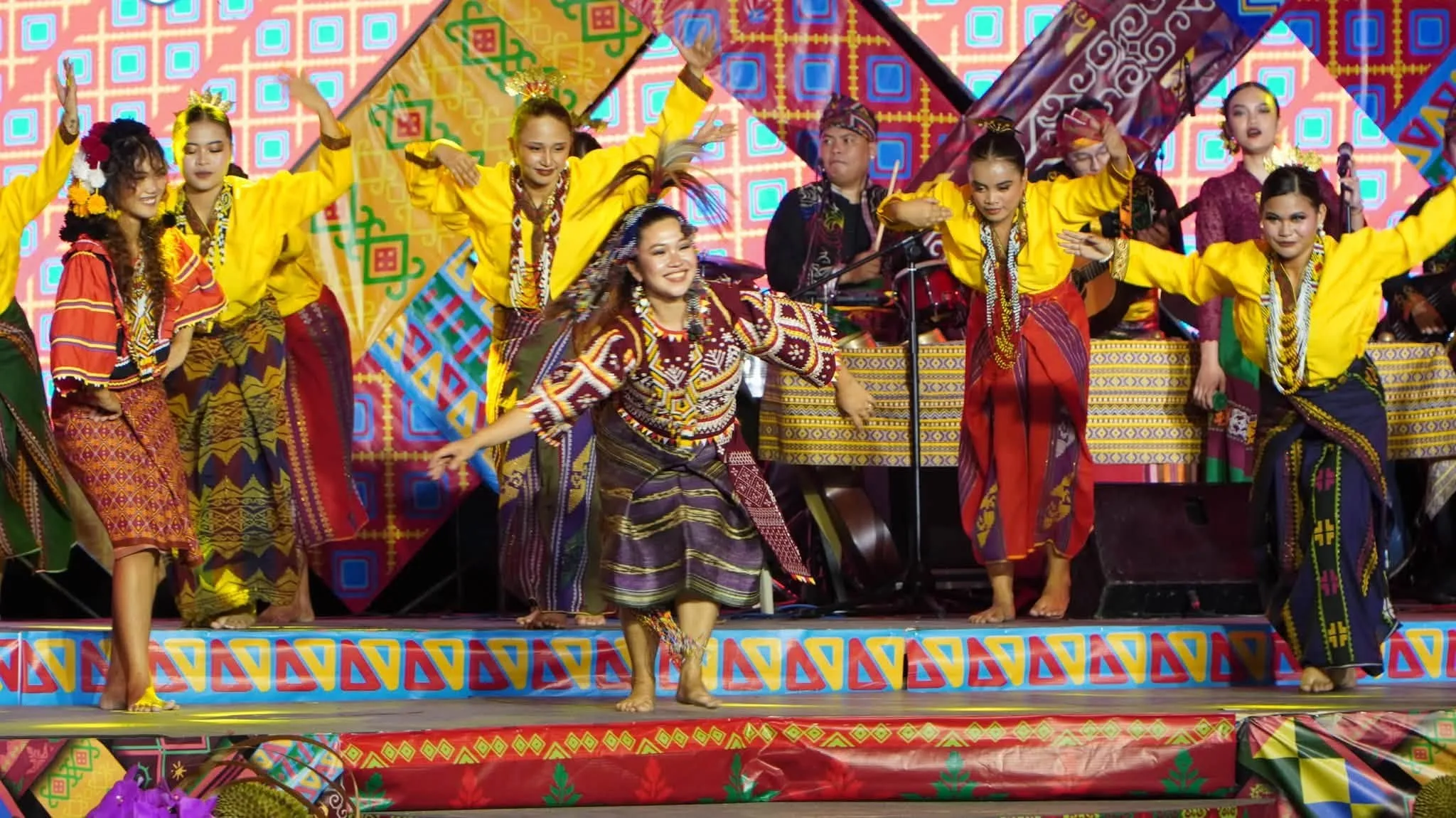
DAVAO — The 38th Kadayawan Festival officially burst into life yesterday, August 7, 2026, with the traditional “Pag‑abli sa Kadayawan” at Magsaysay Park. The grand opening ceremony transformed the park into a living museum of dance, music, and ritual, inviting locals and tourists alike to witness the soul of Davao’s 11 cultural communities.
A Grand Opening of Gratitude
The ceremony began with a solemn thanksgiving Mass and a Tri‑People prayer, uniting Christians, Lumads, and Muslims in a single voice of gratitude. This spiritual foundation set the tone for a festival that is, at its heart, a harvest thanksgiving. The name Kadayawan itself comes from the friendly Dabawenyo greeting “Madayaw,” meaning good, beautiful, or valuable, a fitting tribute to nature’s abundance.
Mayor Sebastian Duterte led the ceremonial striking of the Agong, a large brass gong, which resonated through the amphitheater and officially signaled the start of the festivities. The deep, sonorous sound announced that a month of cultural celebration had begun. Festival organizers emphasized that this year’s theme, “Colors of Abundance, Vibrance of Diversity, Festival of Festivals,” would be reflected in every event.
The 11 Tribes Take Center Stage
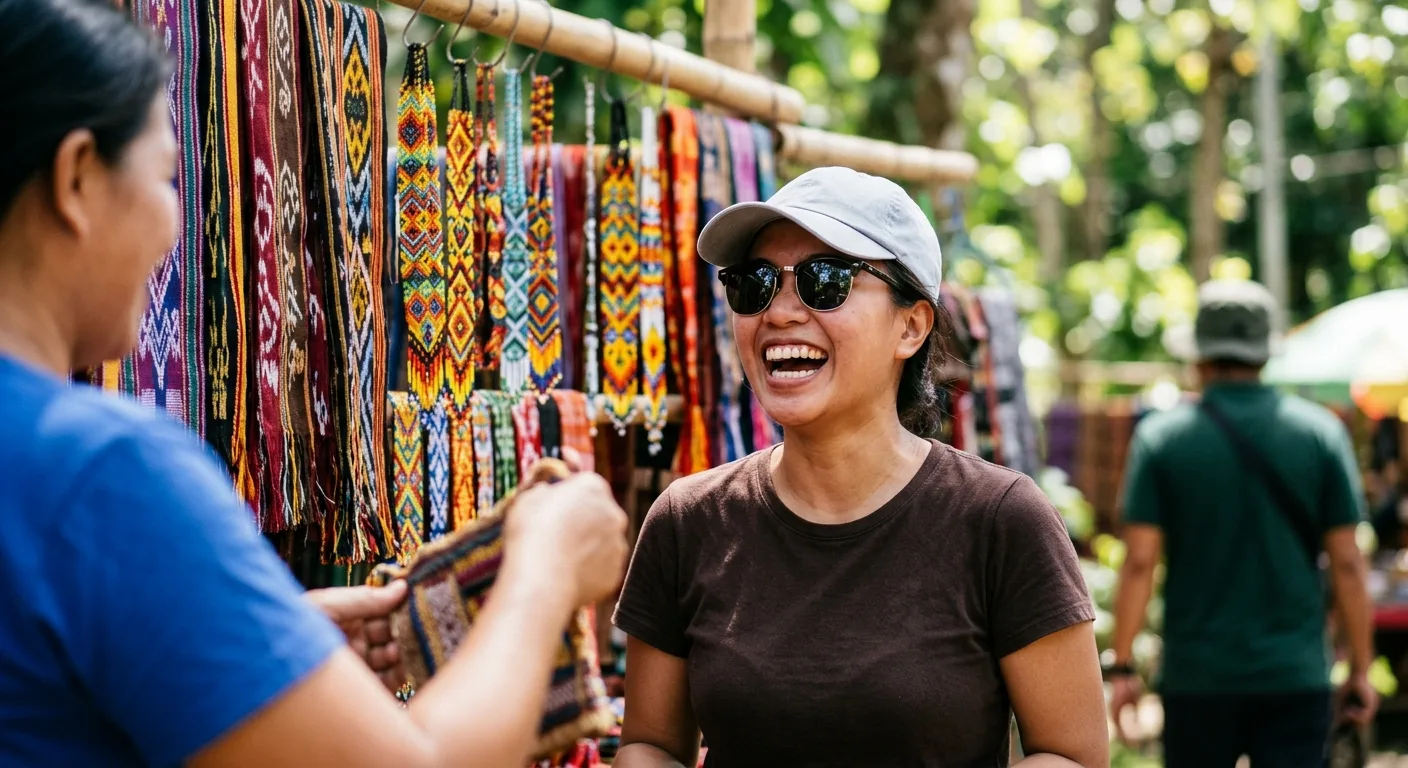
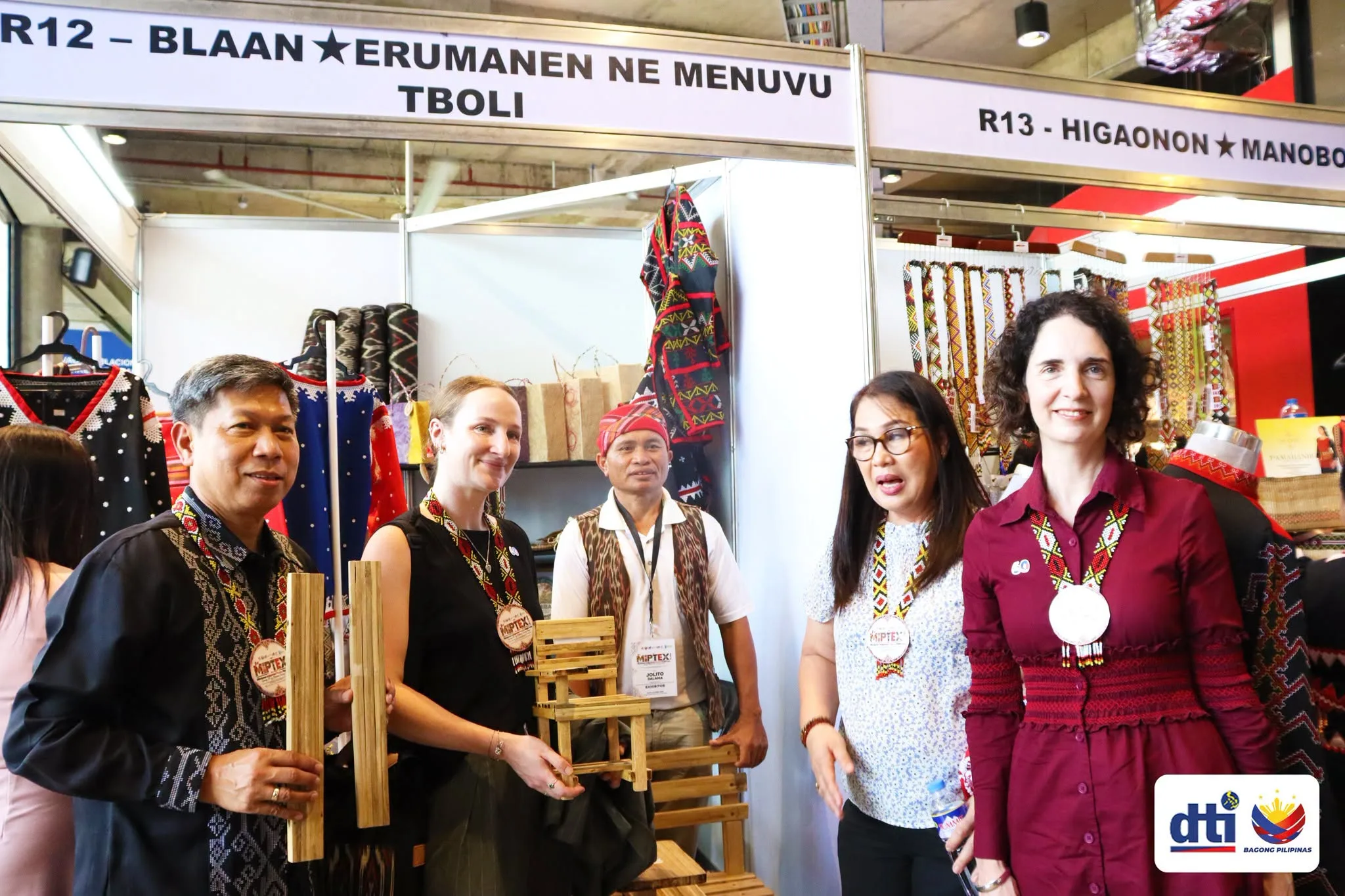
The heart of Kadayawan is the recognition of Davao’s 11 ethnolinguistic communities, each represented by a deputy mayor during the opening. The five Lumad groups—Ata, Bagobo‑Klata, Bagobo‑Tagabawa, Matigsalog, and Ovu Manuvu—showcased their intricate beadwork, abaca weaving, and ancient agricultural rituals. The six Moro communities—Iranun, Kagan, Maguindanaoan, Maranao, Sama, and Tausug—filled the air with the rhythmic music of kulintang gongs and vibrant textile displays.
The tribal village within Magsaysay Park, a collection of full‑scale replica houses, opened its doors to visitors immediately after the ceremony. Tourists can now wander through these structures, watch live weaving demonstrations, and taste traditional delicacies. The village offers an immersive cultural experience that is both educational and deeply personal, connecting visitors directly with the artisans and elders who keep these traditions alive.
Rituals That Honor Harvest and Heritage
The program featured the “Paghalad sa Abot sa Makugihong Kamot,” a symbolic offering of the region’s bountiful harvest. The 11 deputy mayors presented fruits, vegetables, and grains on woven trays, demonstrating the intimate link between the people and the land. This ritual reminds everyone that Kadayawan is not merely a party but a profound expression of gratitude for the earth’s generosity.
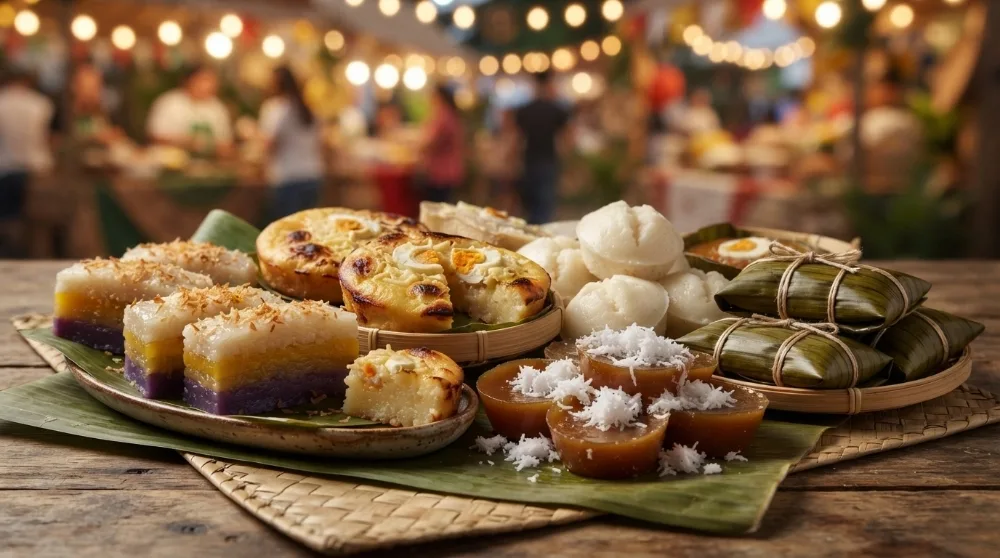
Following the formal rites, the crowd moved to the Magsaysay Monument for the “Patikim” culinary showcase. Each tribe shared heirloom dishes and local delicacies, turning the park into a sprawling outdoor feast. Tourists savored everything from grilled seafood to sweet sticky rice, experiencing the diversity of Davao’s culinary heritage in a single afternoon.
A Month‑Long Invitation to Celebrate
The Pag‑abli is just the beginning. Throughout August, visitors can enjoy the Hiyas sa Kadayawan cultural pageant, the Indak‑Indak street dancing competition, and the spectacular Pamulak floral float parade. Hotels and restaurants across the city have rolled out Kadayawan‑themed packages, making it easy for travelers to extend their stay.
For those seeking an authentic cultural experience, the Kadayawan Festival offers an unparalleled window into the Philippines’ indigenous heritage. The opening ceremony at Magsaysay Park has set a high bar, promising a month of events that celebrate unity, creativity, and the enduring spirit of the Dabawenyo people.