Understanding the Requirements Before Opening
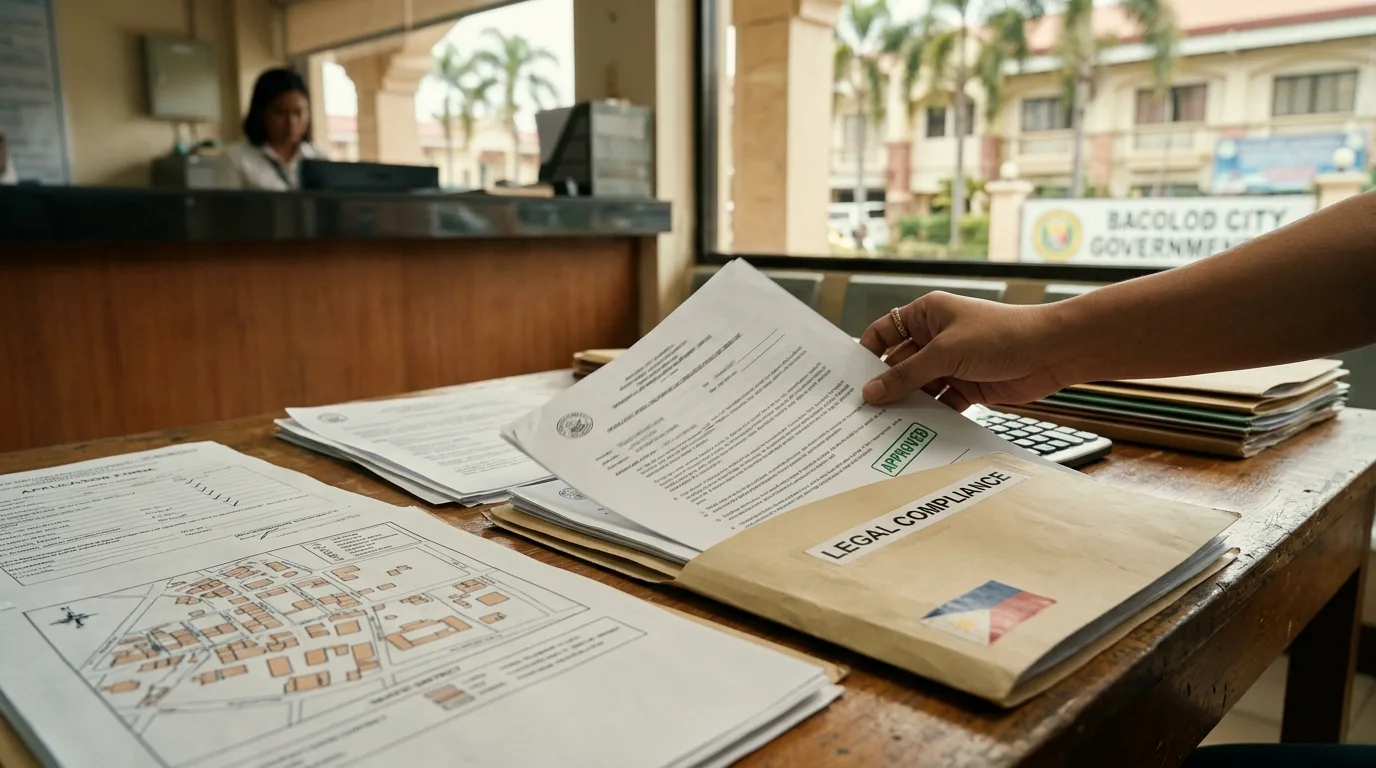
BACOLOD - For first-time entrepreneurs, securing a business permit is one of the important steps between developing a business idea and opening to customers. In the Philippines, the process generally involves registering the business name or legal entity, securing the necessary clearances, and applying for a mayor's or business permit from the local government unit. Requirements may vary depending on the business structure, location, and type of activity. A home-based shop, food establishment, service provider, and retail store may have different documentation and inspection requirements. Learning about these conditions before signing a lease or purchasing equipment helps entrepreneurs avoid unexpected expenses and prepare the necessary paperwork.
How Permits Influence Startup Costs and Operations
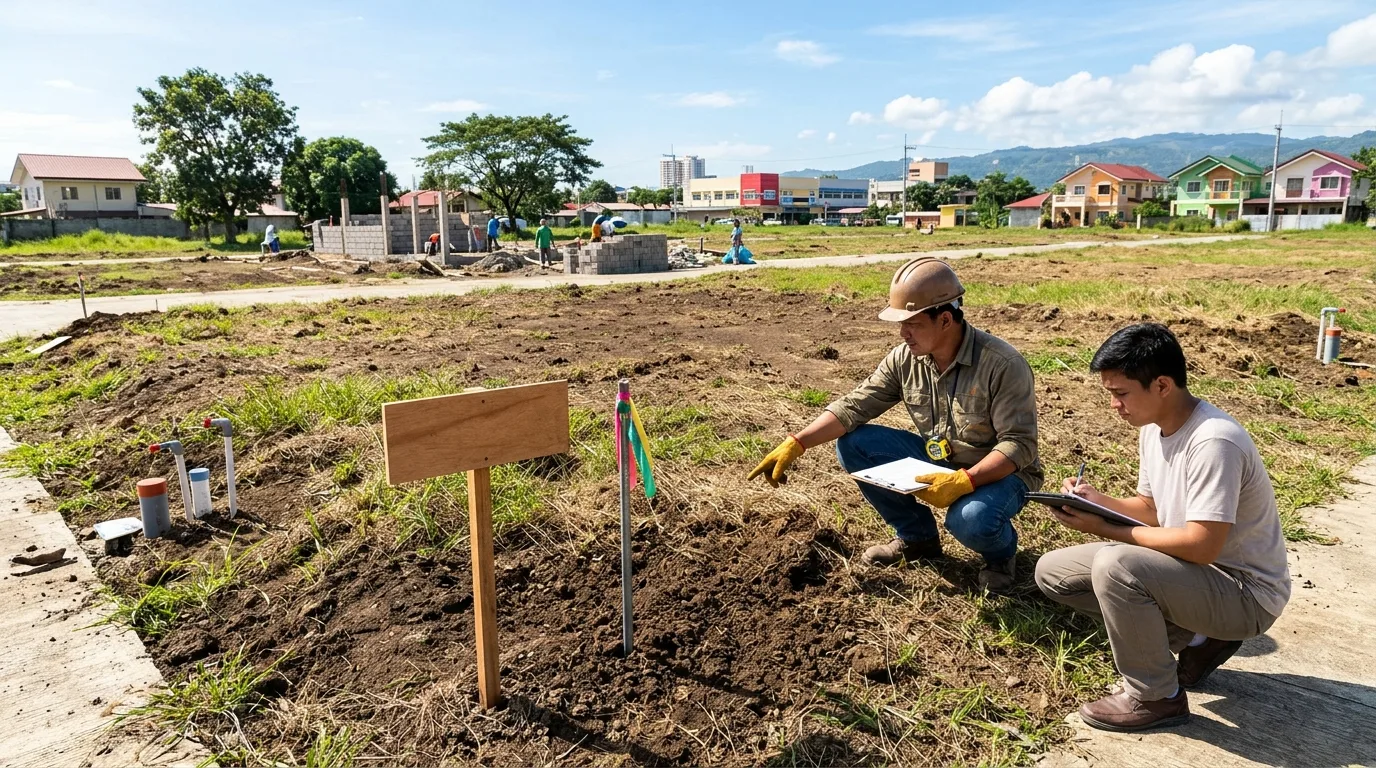
Permit applications can affect a new business's starting budget because entrepreneurs may need to account for registration fees, local taxes, clearances, inspections, and other regulatory expenses. Some establishments may also need additional approvals, such as sanitary permits, fire safety clearances, or sector-specific licenses. Processing time can influence an opening schedule, particularly when documents are incomplete or an inspection is required. Setting aside money for compliance and allowing enough time for applications can prevent avoidable delays. These requirements also encourage business owners to establish proper records and understand the standards that apply to their operations.
Building a Stronger Foundation for Business Growth
Completing the necessary permits gives entrepreneurs a clearer foundation for running and developing their businesses. Legal registration and local authorization can help build customer confidence, support applications for financing or supplier arrangements, and make future expansion more organized. New business owners can make the process easier by consulting their city or municipal Business Permits and Licensing Office, checking the latest requirements, and keeping copies of receipts and approved documents. Seeking guidance from relevant government agencies and maintaining a calendar for renewals can also help prevent compliance problems. With proper preparation, business permits become part of responsible business planning rather than an obstacle to getting started.