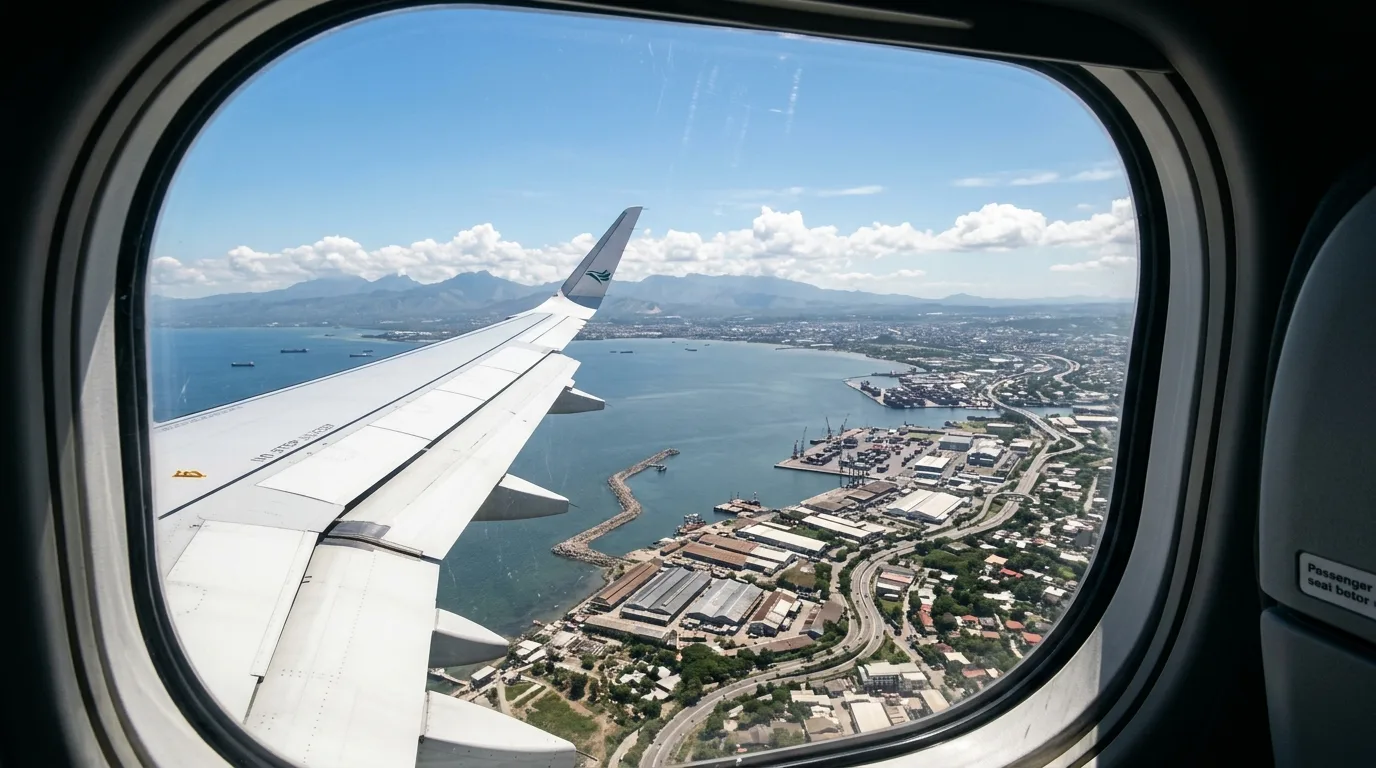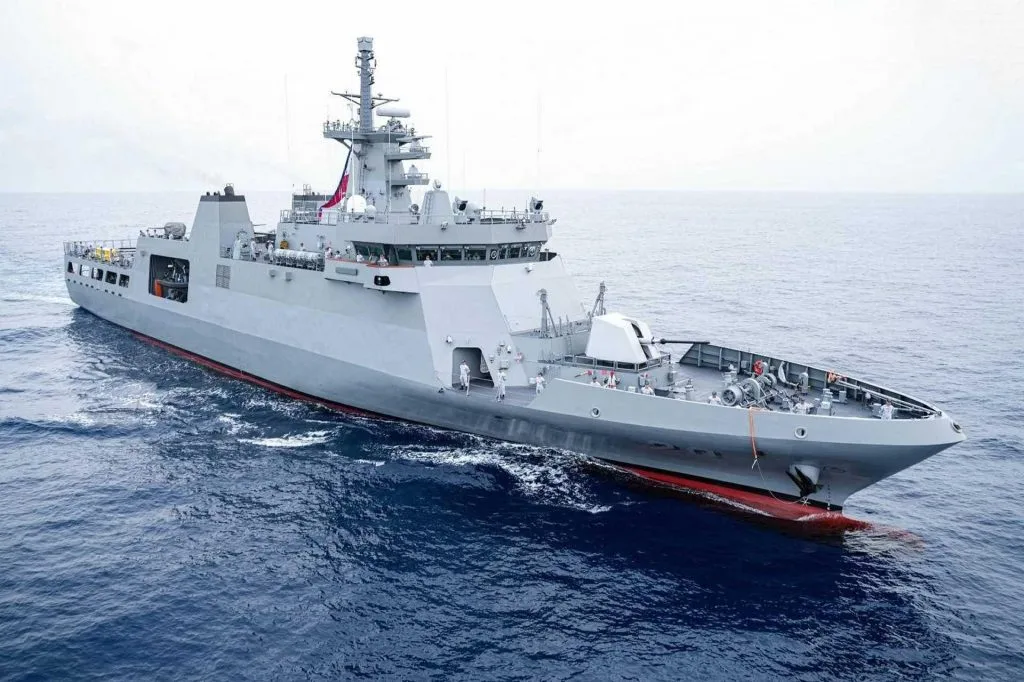
DAVAO CITY — The Philippine Navy's newest warship, BRP Rajah Lakandula, joined Unilateral Exercise 2026 in the waters of Davao Gulf on September 29, 2026. The exercise tested the operational readiness of Naval Forces Eastern Mindanao and its partner units in maritime security operations.
A New Warship Takes the Field
BRP Lakandula (PS 21) is the second ship of the Rajah Sulayman-class of Offshore Patrol Vessels. Built in South Korea by HD Hyundai Heavy Industries, the ship arrived on May 8, 2026, and was commissioned on June 9. It represents a significant upgrade to the Navy's surface combat capability.
The vessel is equipped with an advanced combat management system, radars, and sensors. It carries a single Oto Melara 76 mm Super Rapid Naval gun, two Aselsan SMASH secondary guns, and four machine guns. The 2,400-ton ship is designed to patrol and assert Philippine presence in maritime waters, including the Exclusive Economic Zone.
A Showcase of Integrated Naval Power
Lakandula joined BRP Artemio Ricarte, a Jacinto-class Patrol Vessel; BRP Tausug, a landing craft utility; and two multipurpose attack craft, BA488 and BA489 of the 3rd Boat Attack Division. A Beechcraft C90 aircraft also participated, along with Naval Special Warfare Unit 7 and Marine reservists.
The exercise opened with a ceremony at Naval Station Felix Apolinario in Panacan. Captain Leo C. Dimoc served as Exercise Director, overseeing operations designed to enhance interoperability among operational and tactical control units. The sea phase featured a series of serials testing coordination and response capabilities.
Complex Scenarios Test Readiness
Participating units conducted Communications Check, Sortie Out, Minefield Transit, and Visit, Board, Search and Seizure operations. They also performed Officer of the Watch Maneuvering Exercises and an amphibious landing. A Photo Exercise with the aircraft concluded the visual documentation of the event.
The scenarios tested the units' ability to detect, identify, interdite, and neutralize hostile maritime forces. Integrated intelligence, surveillance, and reconnaissance, maneuver, and maritime interdiction operations were conducted under wartime rules of engagement. Units also responded to simulated external threats and illegal intrusions.
Securing the Sentinel Islands Scenario
The exercise placed participants in a simulated scenario involving attempts to compromise key coastal infrastructure within the Sentinel Islands. This tested their ability to protect critical assets under joint task force coordination. The amphibious landing by BRP Tausug, supported by Marine Reservists, demonstrated the integrated employment of naval and reserve forces.
The exercise supports the Philippine Navy's mandate to secure the maritime domain and protect national interests. It also reinforces the Navy's commitment to maintaining a credible defense posture in its area of responsibility.
A Growing Fleet for Maritime Security
The Philippines ordered six Rajah Sulayman-class vessels to form its next-generation OPV fleet. Four more ships will be delivered from 2027 to 2028. These vessels will strengthen the Navy's capacity to patrol vast maritime territories and respond to emerging security challenges.
BRP Lakandula's participation in Unilateral Exercise 2026 signals the Navy's readiness to deploy its newest assets in real-world scenarios. The exercise validates the fleet's operational capability while building confidence among personnel tasked with defending the nation's waters.