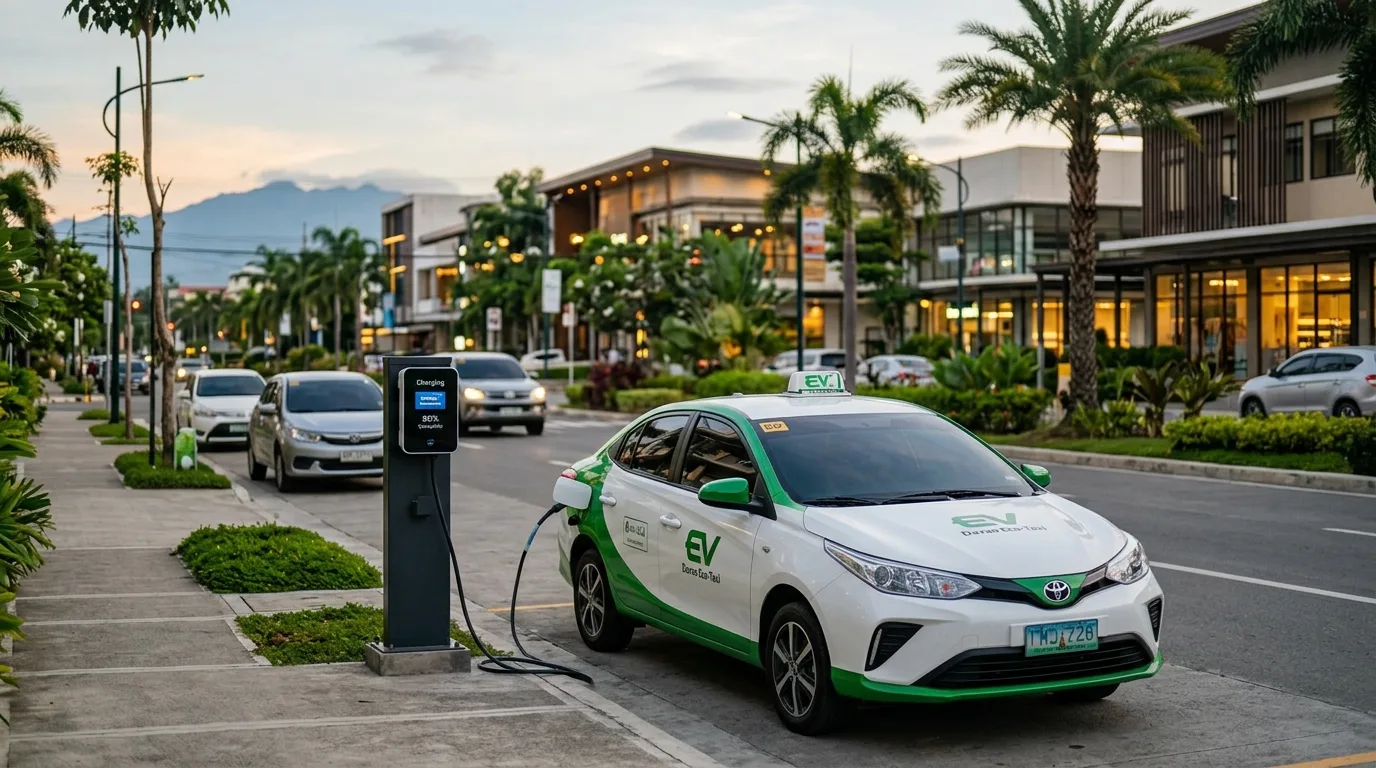
Davao — The urban transportation landscape in Southern Mindanao is undergoing a profound evolution as electric vehicle (EV) fleets hit the streets of Davao City. Driven by the stark contrast between soaring petroleum prices and cost-effective electricity charging, local drivers and fleet operators are experiencing a massive financial turnaround. While conventional combustion-engine cabs routinely burn through thousands of pesos daily on gasoline, modern electric cabs are demonstrating that shifting to sustainable battery-powered mobility drastically slashes operational expenses while delivering a cleaner, quieter ride for daily commuters.
Rewriting Daily Operating Costs Through Electric Power
For veteran transport workers who have long battled volatile oil price hikes, transitioning to battery-powered vehicles offers immediate financial relief. Traditional taxi drivers in the metropolis routinely spend between 3,200 and 3,500 pesos per day on gasoline, heavily cutting into their net earnings. In contrast, fully charging an electric vehicle costs roughly 1,500 pesos or less, yielding massive daily savings that quickly accumulate into hundreds of thousands of pesos in yearly operational margins for fleet owners. Furthermore, rapid-charging stations allow drivers to replenish battery levels to 80 percent in just 30 minutes, providing enough range for hundreds of kilometers of continuous city navigation.
Navigating Regulatory Frameworks and Infrastructure Expansion
This green mobility transition operates under the national guidelines of the Electric Vehicle Industry Development Act (EVIDA), alongside localized ordinances designed to foster private and public sector adoption. Regional transport groups, such as the Regional Taxi Operators Association (RTOA), have rolled out pilot EV substitution units in close coordination with regulatory bodies like the Land Transportation Franchising and Regulatory Board. However, industry stakeholders emphasize that long-term success relies heavily on expanding accessible charging infrastructure and mitigating the high costs associated with future battery replacements. Municipal planners and local operators continue to collaborate to ensure that regulatory policies evolve smoothly alongside real-world driving conditions.
Enhancing Passenger Comfort and Long-Term Environmental Goals
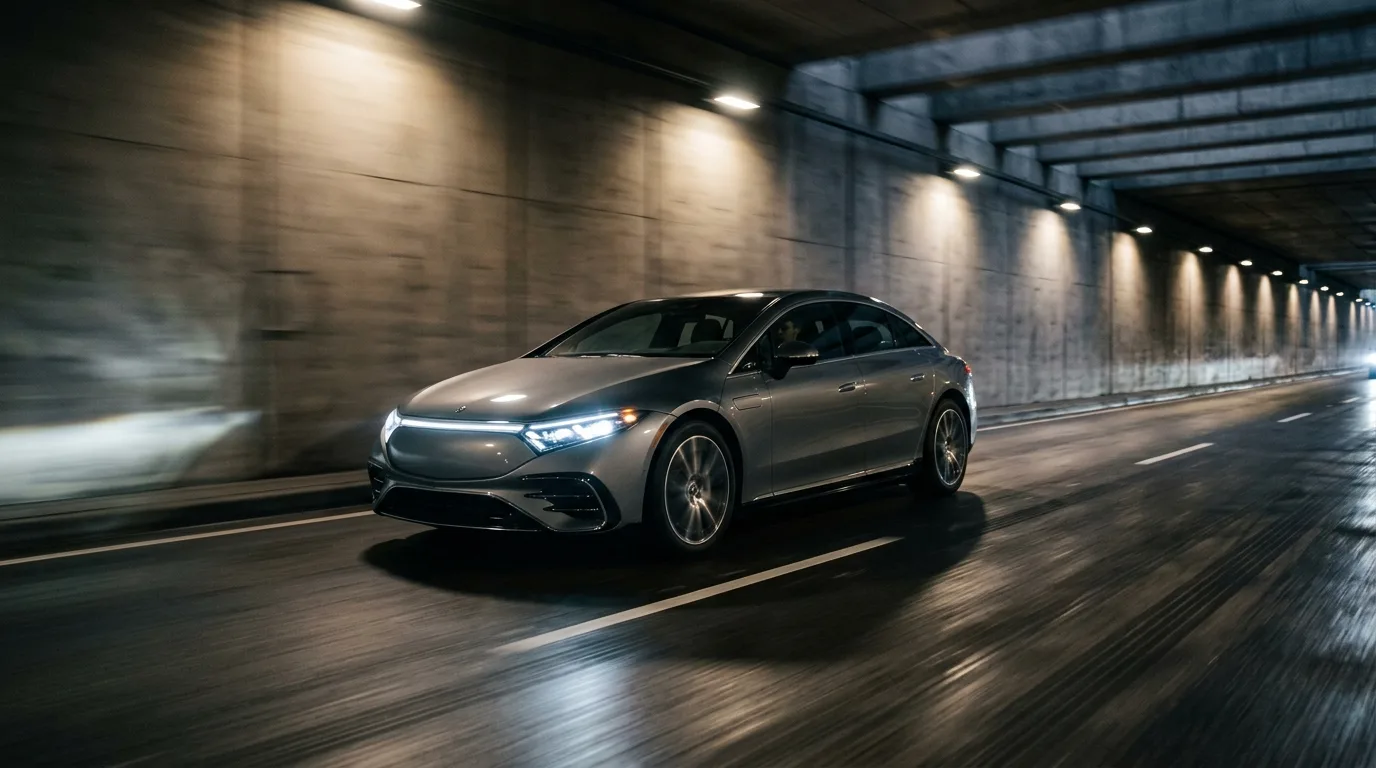
Beyond the compelling financial math, passengers immediately notice a dramatic improvement in daily commuting quality, highlighted by smoother acceleration, quieter cabin environments, and superior air-conditioning performance. Zero tailpipe emissions directly support Davao City's enduring commitment to public health, environmental conservation, and sustainable urban livability. As more modern electric units integrate into active commercial fleets, the city solidifies its pioneering role in championing a progressive, eco-friendly future for public transportation across Mindanao.