DAVAO — Historic Barangay Mintal, once home to a thriving pre-war Japanese community, hosted the two-day Philippines-Japan Festival on October 3 and 4, 2026. The event marked the 81st anniversary of the post-war period while celebrating enduring friendship between the two nations.
A Forgotten Chapter of Davao History
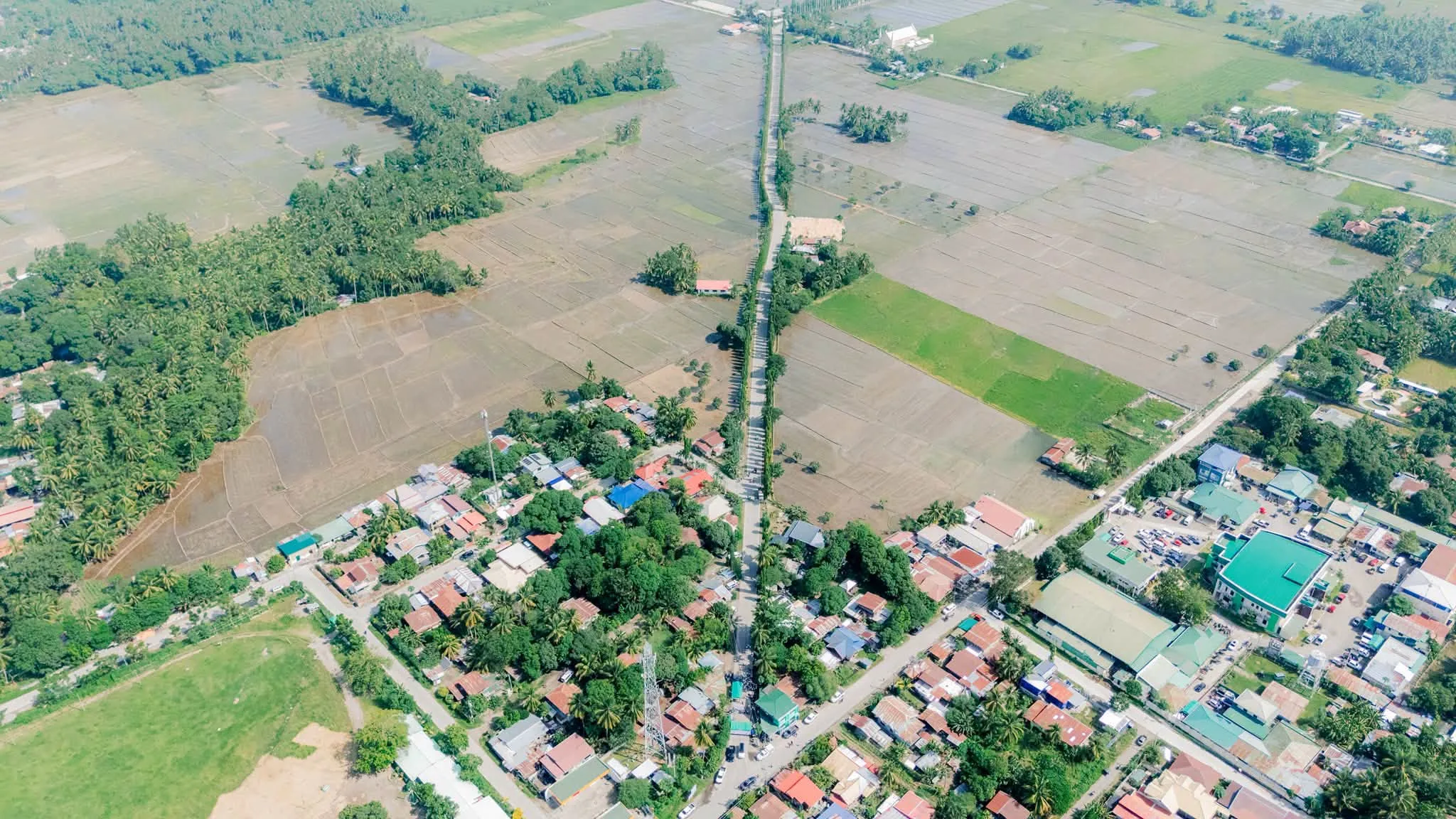
Barangay Captain Rey Bargamento described Mintal as an exclusive Japanese plantation community before the war. Only Japanese settlers and their Bagobo wives lived there, with no Cebuanos, Boholanos, Ilonggos, or Muslims residing in the area. This unique demographic shaped the barangay's distinct identity.
The name Mintal reflects both Japanese and Bagobo influences. The Bagobo named the place after Datu Intal, a chieftain who resided there. Japanese settlers who arrived in the early 1900s called it Mintaro, and due to the large Japanese population, it earned the nickname "Little Tokyo."
Bargamento emphasized that this history remains largely unrecorded and untaught in schools. The festival aims to raise awareness about Mintal's colorful heritage while connecting new generations to their roots. It also honors the relationship between Japanese and Filipinos that survived the devastation of war.
Remembering the Cost of Conflict
Japanese Consul General in Davao Hirotaka Ono said the festival commemorates the contribution of Japanese migrants in developing Davao's economy in the 1900s. It also serves as a reminder of the value of peace, as World War II shattered the thriving community and its economy.
"Having learned the lessons of history, Japan has since pursued the path of a peace-loving nation dedicated to ensuring that such tragedies are never repeated," Ono said during the opening program at Mintal Gymnasium. He noted that present friendly relations between Japan and the Philippines resulted from tireless efforts by both governments and their peoples.
In 1968, a group of 80 former Japanese immigrants returned to Davao City to commemorate relatives who died during the war. That visit started a yearly tradition of Japanese descendants visiting ancestral graves at the Mintal cemetery, eventually leading the barangay to reconnect with its past.
A Community Shaped by Abaca and War
The dense abaca fields of Mintal and Calinan were among the bloodiest battlegrounds during the liberation of Davao City in 1945. Thousands of Japanese soldiers and civilians died alongside hundreds of American and Filipino soldiers. Today, monuments, shrines, and pre-war ruins remind residents of the place once called Little Tokyo.
Mintal has sustained efforts to preserve these heritage sites and develop Japanese heritage tours in partnership with the Davao City local government through the City Tourism Operations Office. These initiatives ensure that future generations understand the community's unique history.
Festival organizer Prime Rose Umehura said she was inspired by a Japan-Indonesia festival she witnessed in Japan. She wanted to organize a similar event for Japanese descendants living in Mindanao. The first edition was held in Tagum City in 2025, and the second edition moved to Mintal due to its larger Nikkei-Jin population.
Cultural Exchange and Friendship
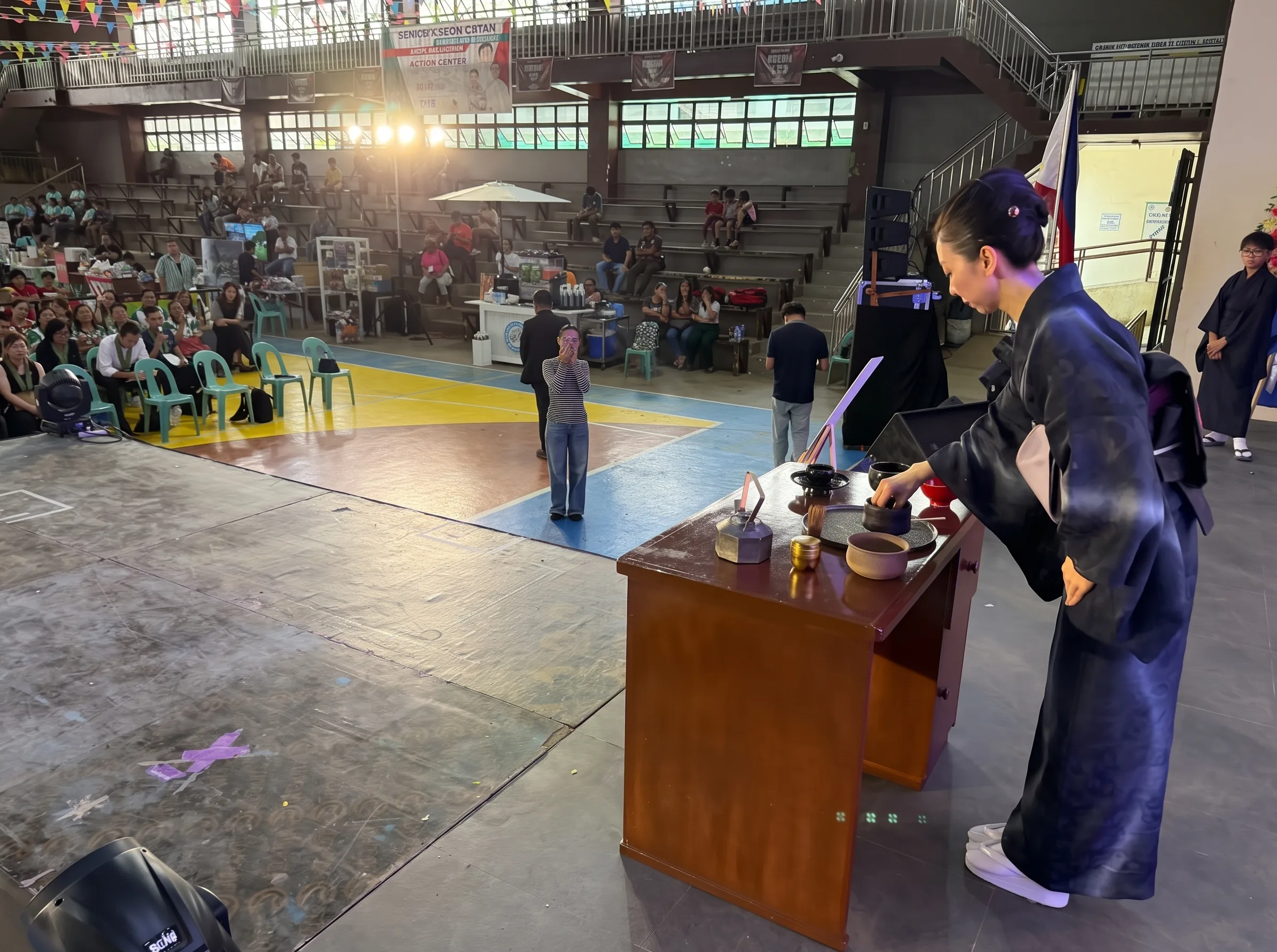
The festival featured a cosplay competition with Japanese anime characters, a karaoke contest, cultural performances, J-Pop shows, a fashion show, and a medical mission. A Tea Offering Ceremony led by Sensei Rumi Tsuchiya, who traveled from Japan, symbolized the eternal friendship between the two countries.
Umehura expressed hope that the festival would strengthen ties between Japanese and Filipinos through cultural exchange. She emphasized the importance of remembering ancestors who lived and died in the Philippines, ensuring their stories are never forgotten.