Homes Can Become Part of the Working Day
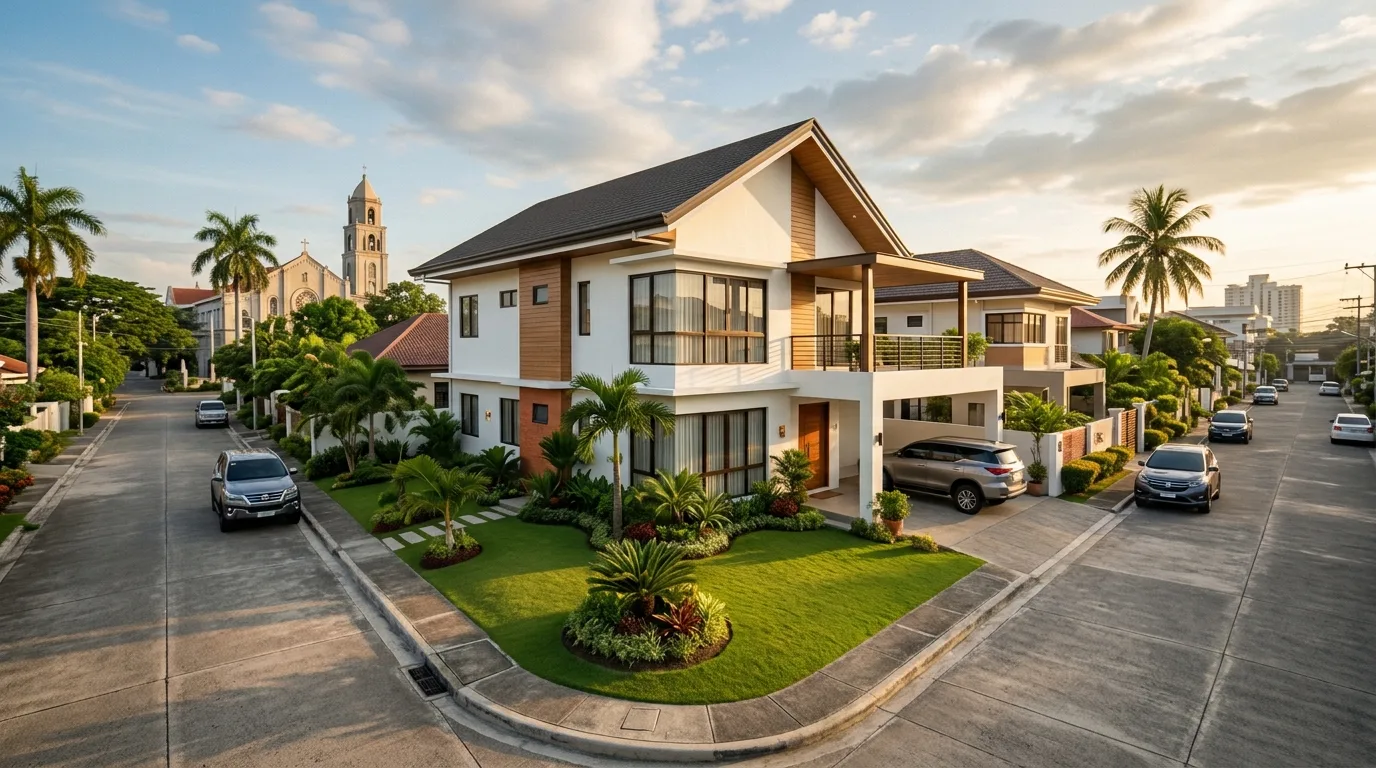
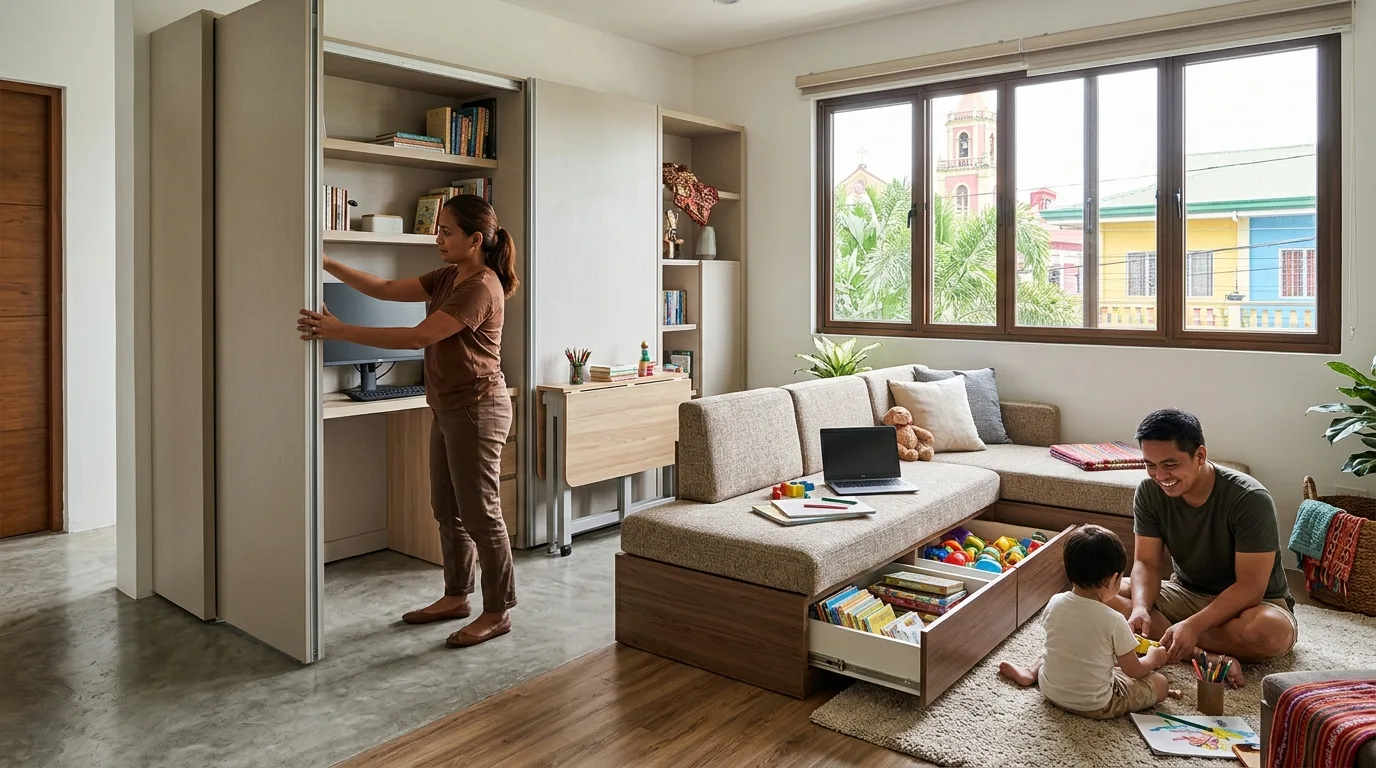
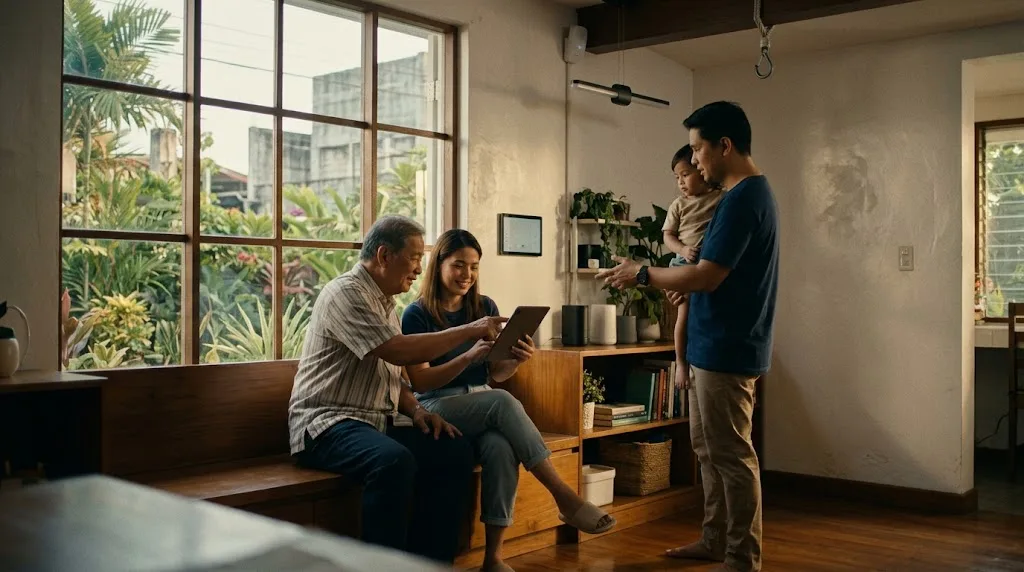
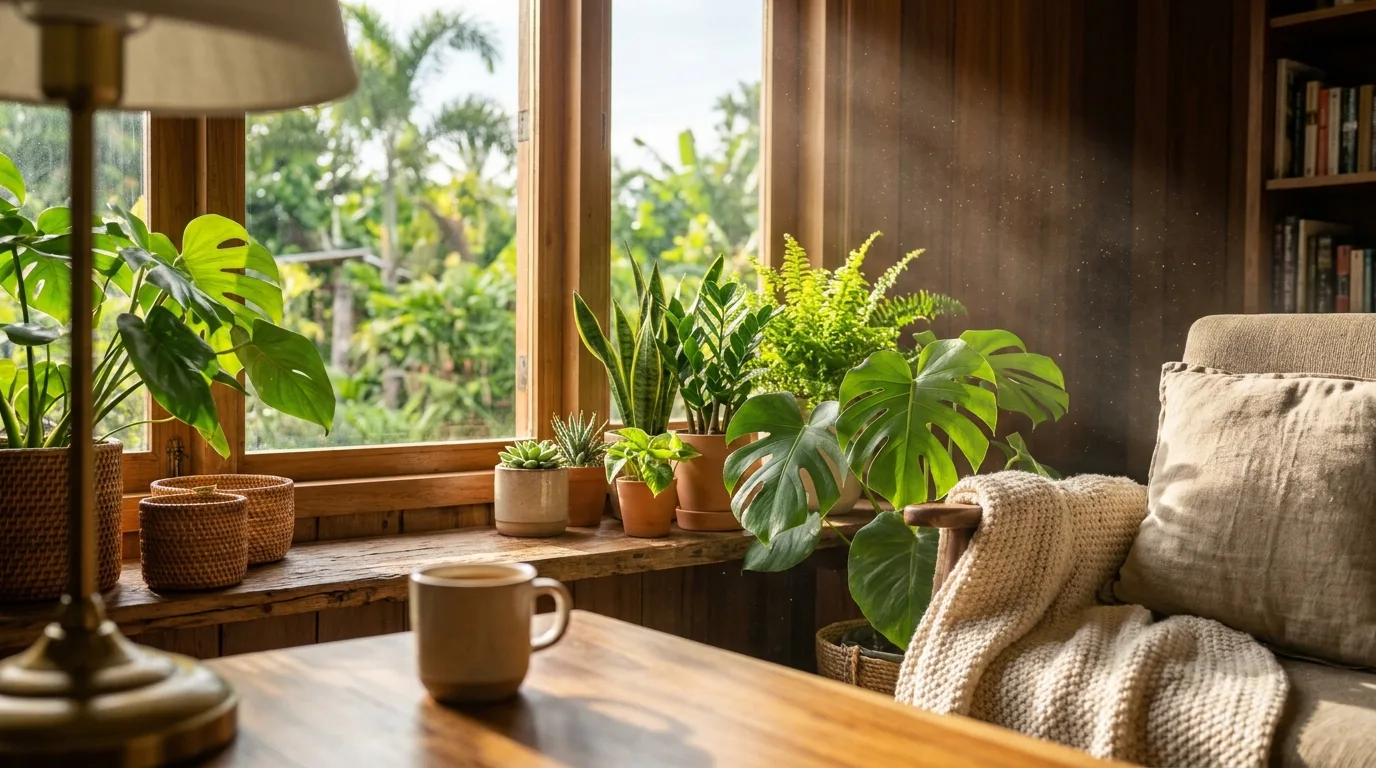
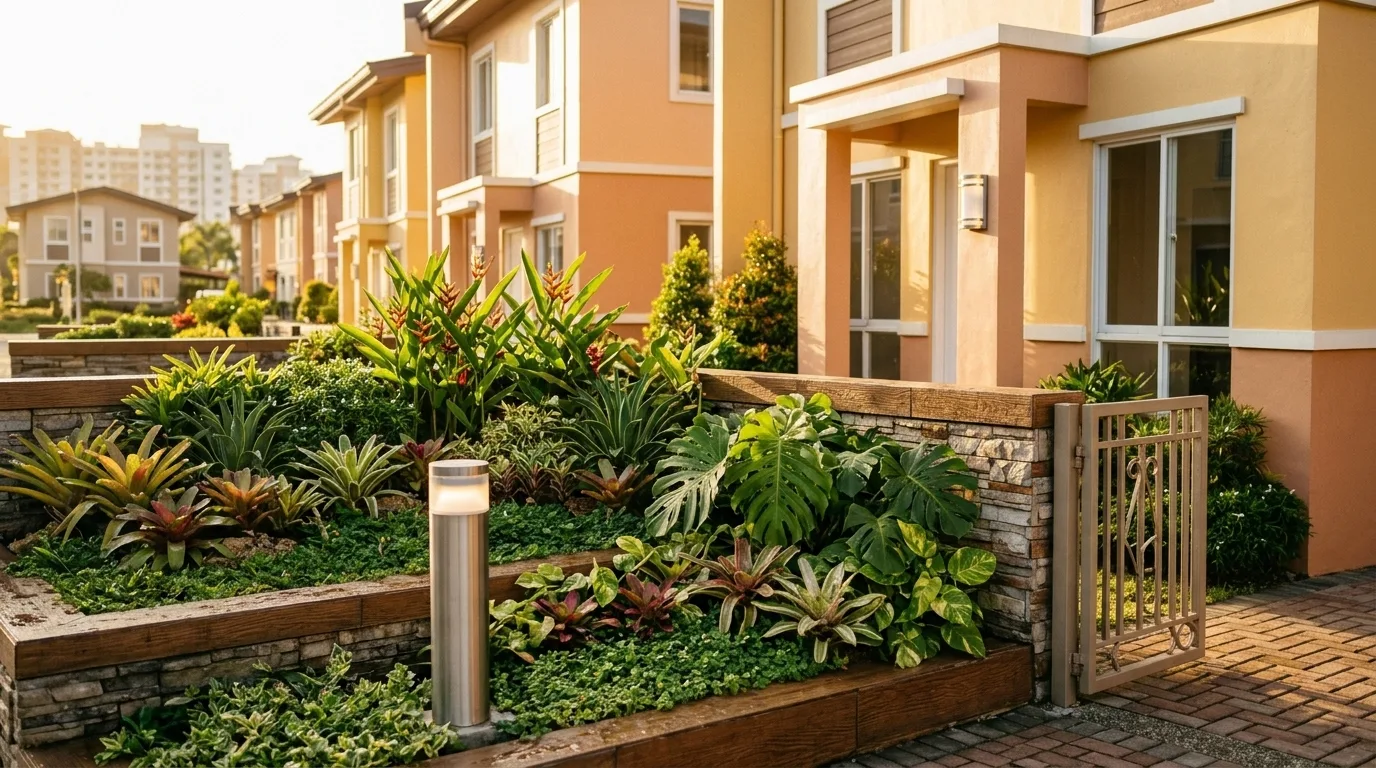
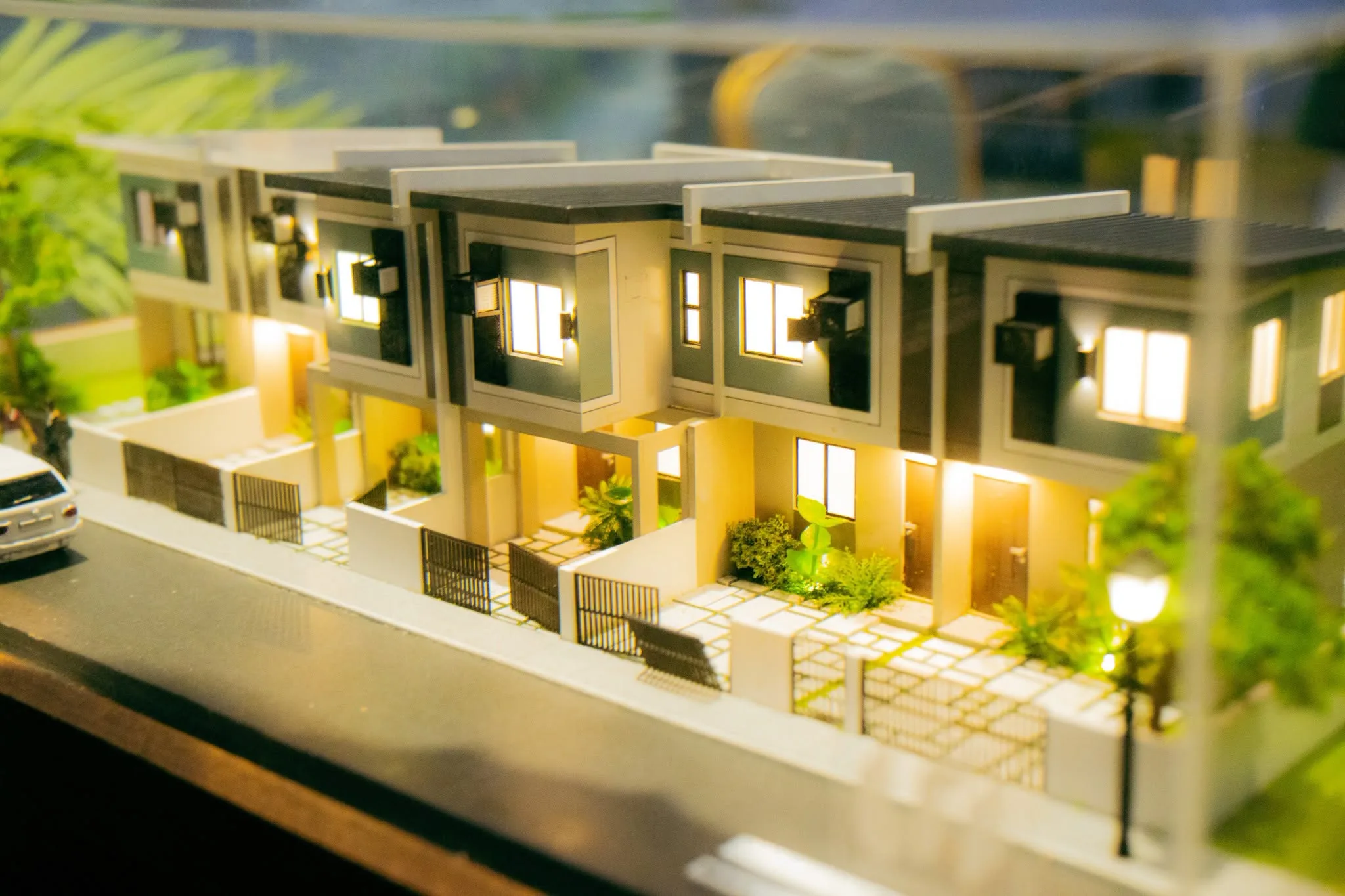
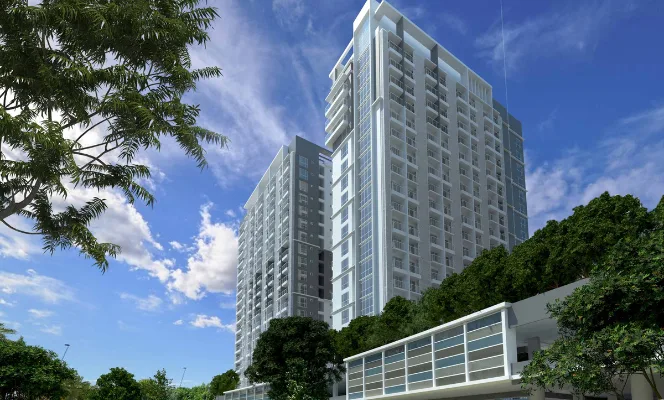
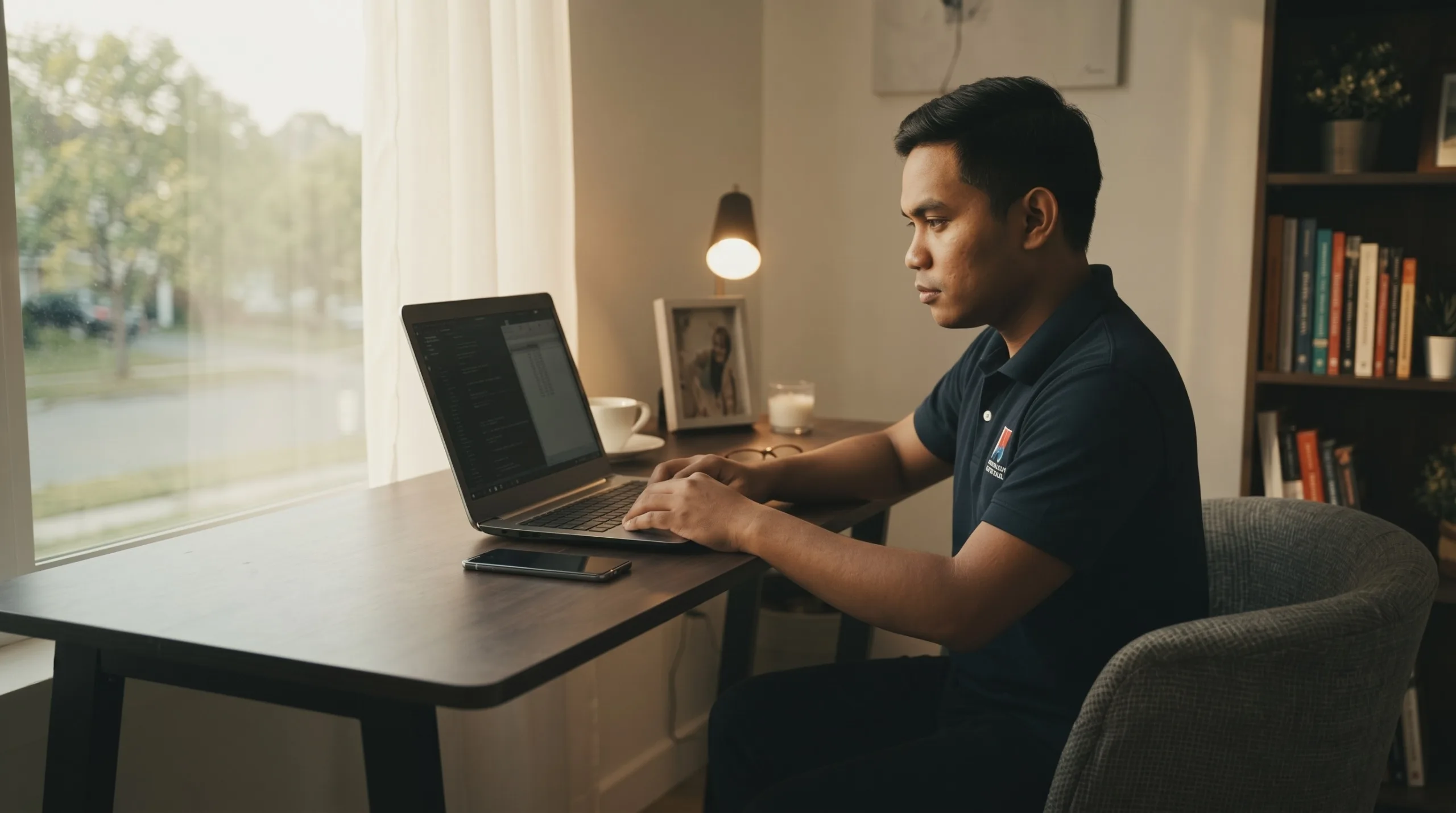
BACOLOD - When more people work from home, the boundary between residential and working spaces can become less distinct. A spare bedroom, dining area, or dedicated corner can become a home office, making factors such as natural light, ventilation, reliable internet, electrical capacity, and a quiet environment more important. In Bacolod, this can influence how residents think about their homes, particularly those whose work allows them to spend most of the day in their neighborhood rather than commuting to a central office.
Neighborhood Businesses Can Benefit From Daytime Residents
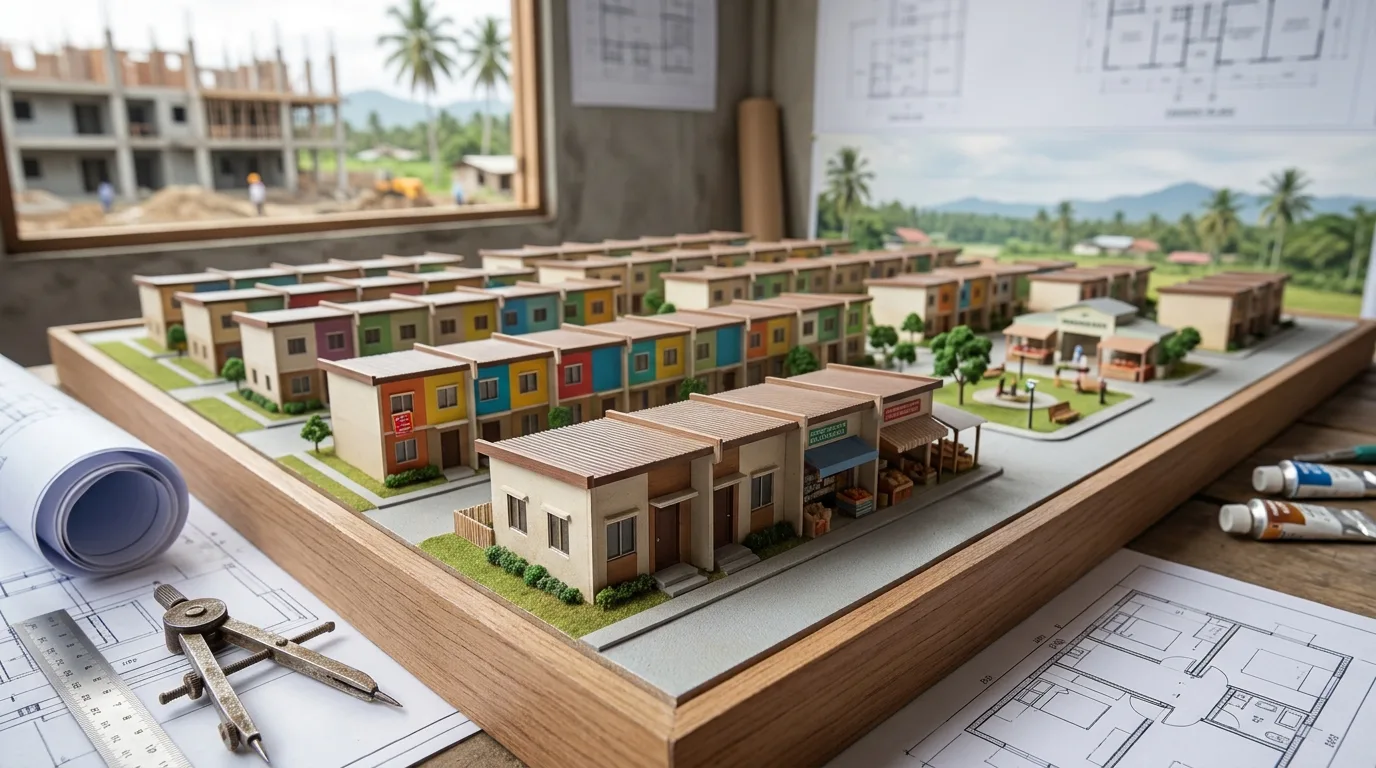
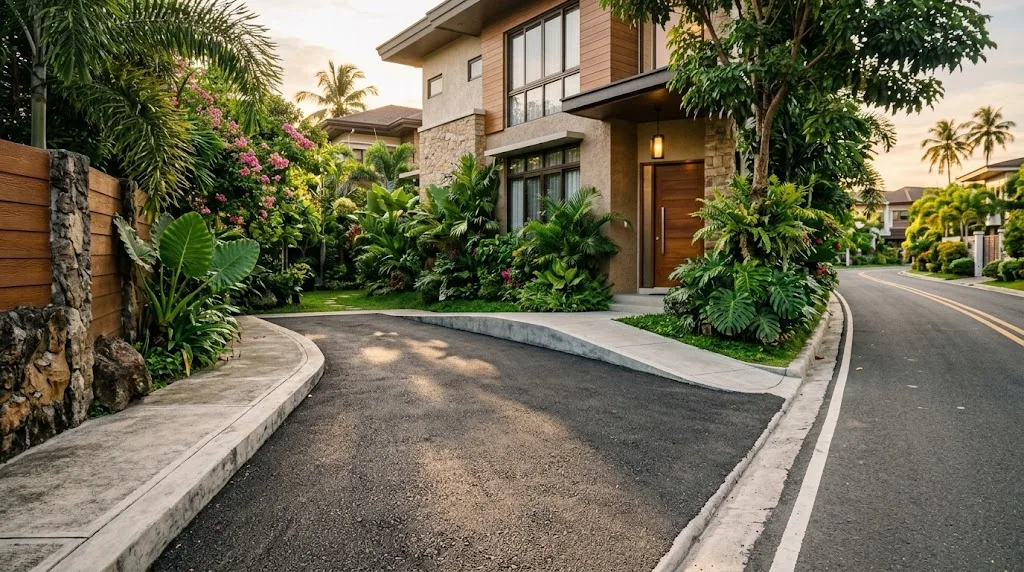
Remote workers can also change the rhythm of a neighborhood because more people remain in residential areas during traditional working hours. Instead of spending the entire day near a central business district, residents may purchase coffee, meals, groceries, and other services closer to home. Small restaurants, bakeries, convenience stores, cafés, pharmacies, and other neighborhood businesses can become part of a remote worker's regular routine. This creates a different kind of local activity, where residential areas can remain active throughout the day rather than becoming quieter after the morning commute.
Public Spaces Can Take on New Roles
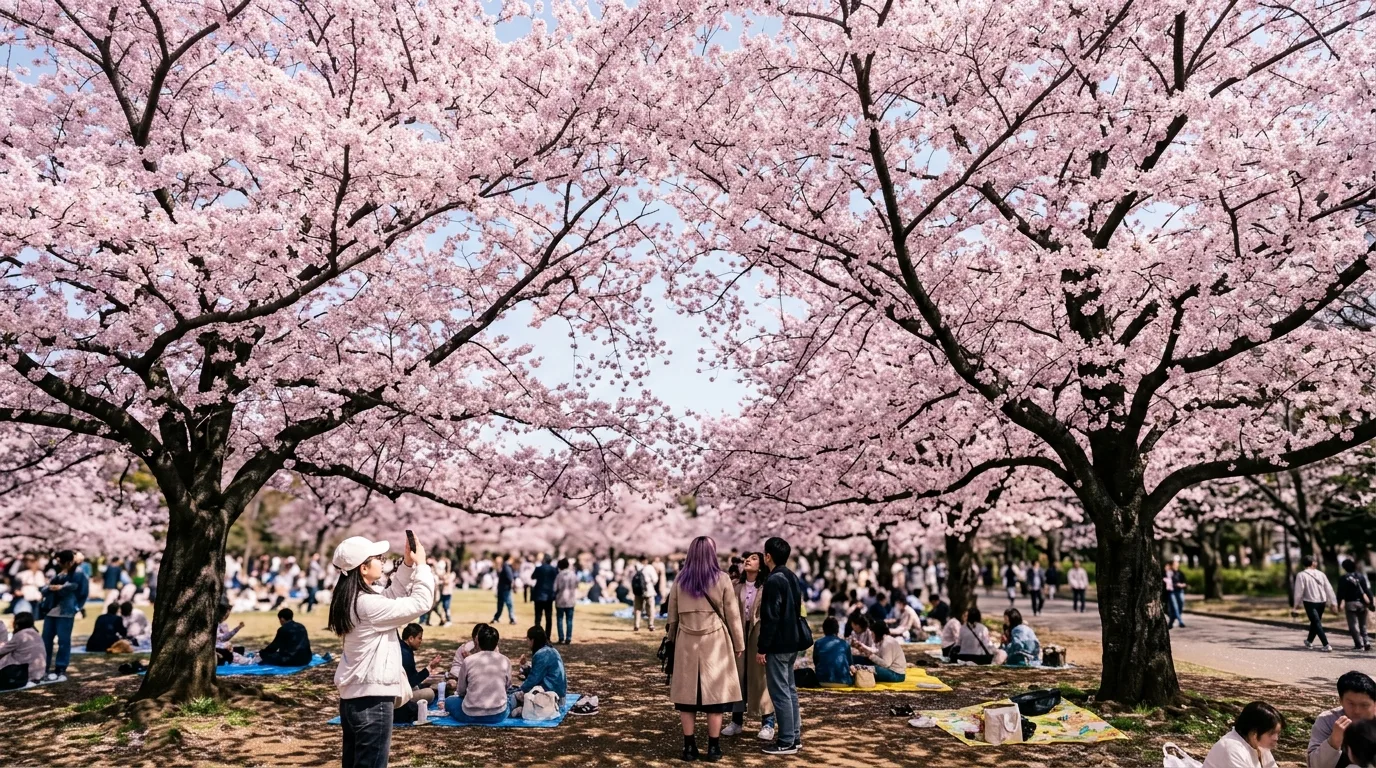
Working from home does not necessarily mean spending the entire day indoors. Residents may look for nearby parks, cafés, libraries, community spaces, or other locations where they can take a break, have an informal meeting, or simply separate work time from home life. In Bacolod, public areas such as Capitol Park and Lagoon and the Bacolod Public Plaza illustrate how accessible community spaces can provide places for people to step outside their homes. As remote and hybrid work arrangements continue to shape daily routines, neighborhoods with a mixture of homes, services, greenery, food establishments, and public spaces may offer residents more ways to balance productivity with everyday community life.